Here’s a look back at Juneau’s biggest stories of 2019.
Cruise town
A federal judge ruled in a years-long cruise industry lawsuit, potentially hamstringing how the City and Borough of Juneau manages summer crowds.
The judge said the city could continue collecting its per-passenger taxes from cruise ships and that it must be spent on things that directly benefit the ships. In the past, the city has spent about a third of the money on things that don’t.
As the year began, the city and the industry were poised to keep fighting. And then, they settled.
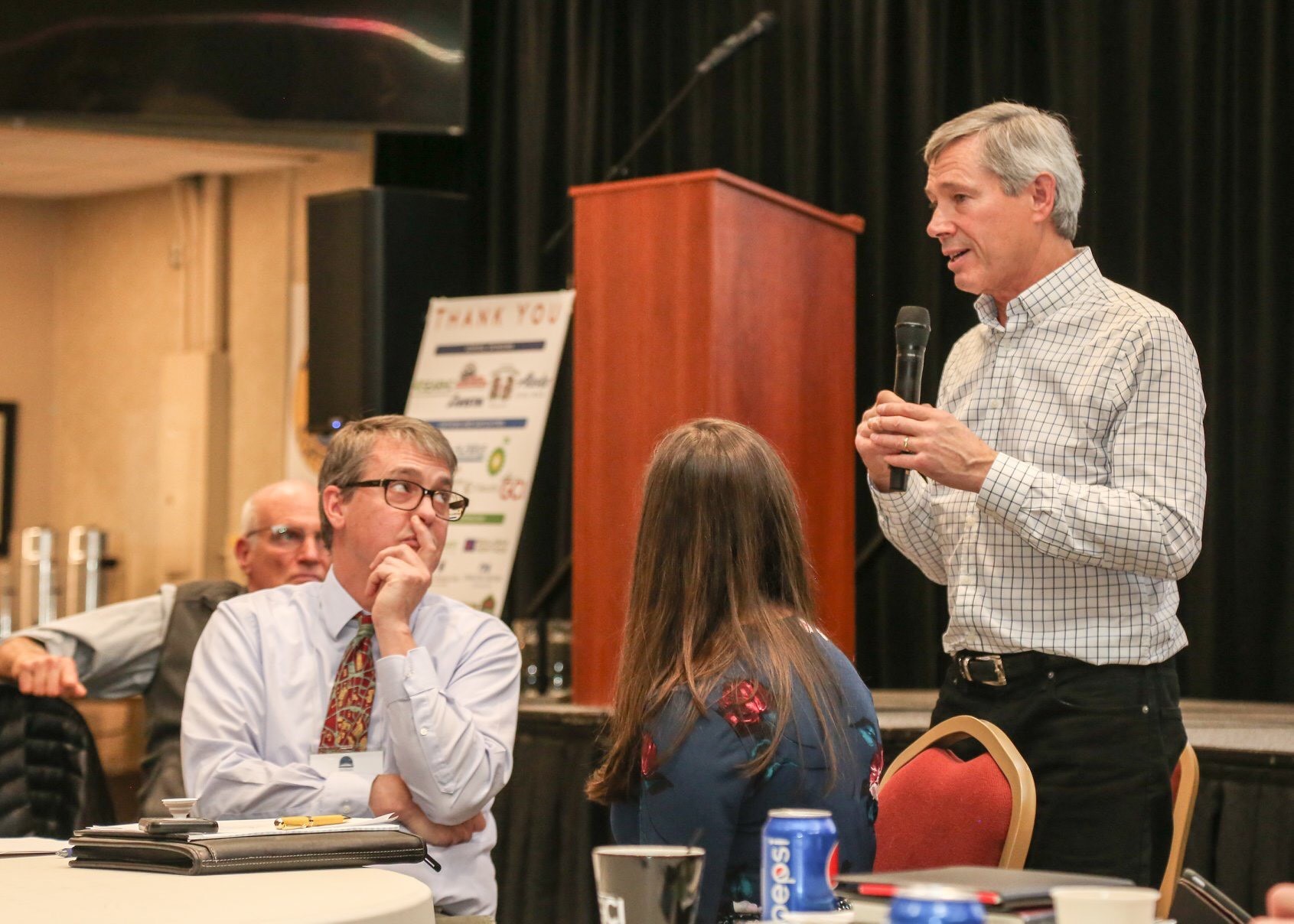
The settlement basically lets the city keep spending the taxes as it has, but with input from the industry. City Manager Rorie Watt summed up the experience.
“Sometimes, you have to experience litigation to learn that litigation is not a good way to solve public issues,” Watt said.
Meanwhile, the industry continues to grow. Signs of the industry’s impact included record-breaking passenger counts, panel discussions, a new mayor’s task force on the industry and increased air quality monitoring.
But what really punctuated the situation was the auction of a small, waterfront parcel that’s been mostly vacant for years. Experts had estimated the value of the lot between $2.9 million and $3.6 million. City officials thought they had an aggressive offer at about $4.3 million. The city was outbid — by about 470%.
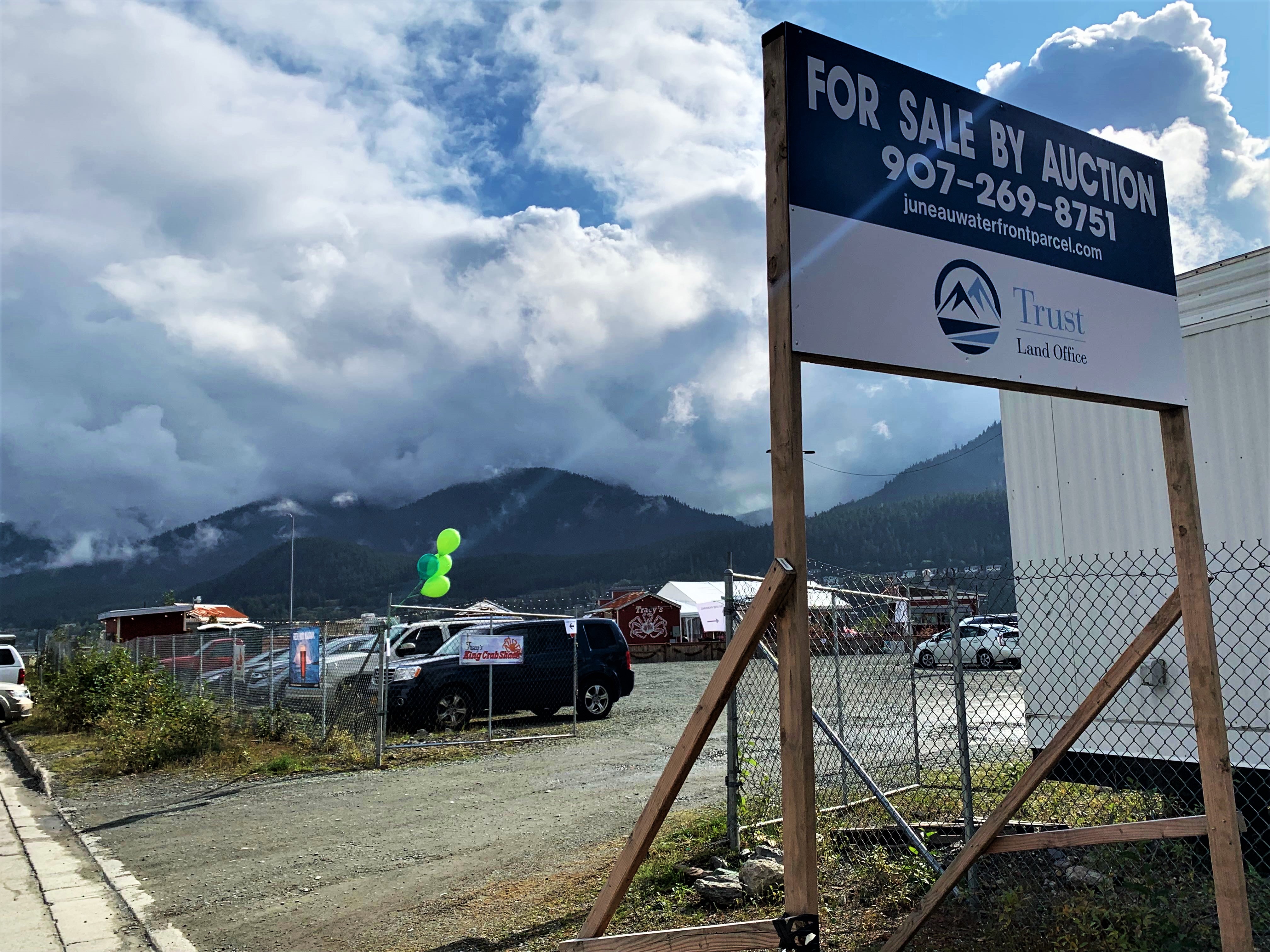
“I think it’s fair to say that that’s a fairly shocking bid,” Watt said.
The big bid came from Norwegian Cruise Line’s parent company. It intends to build another big cruise ship berth there, Juneau’s fifth.
KTOO also put together Cruise Town, a deep-dive podcast about Juneau and its relationship with the cruise industry.
Climate change: Still a thing
Climate change: Still a thing. Juneau had another year of extraordinary weather.
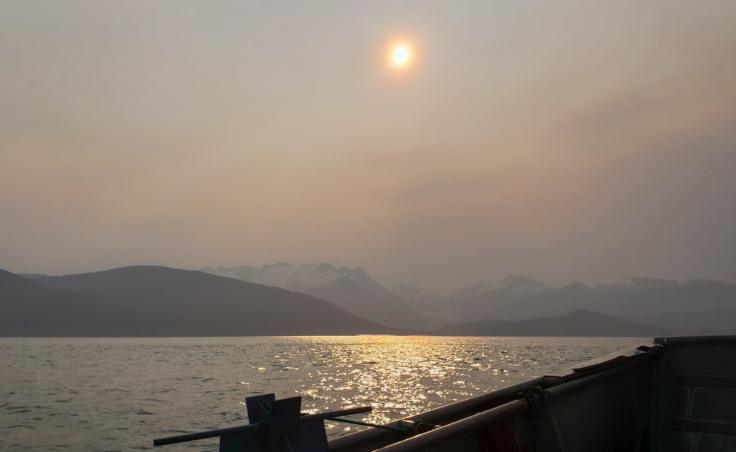
While Juneau wasn’t directly burned by the state’s busy wildfire season, the smoke made its way here. One city official likened our air quality to Beijing’s. Summer pedicab driver Theo Houck felt it.

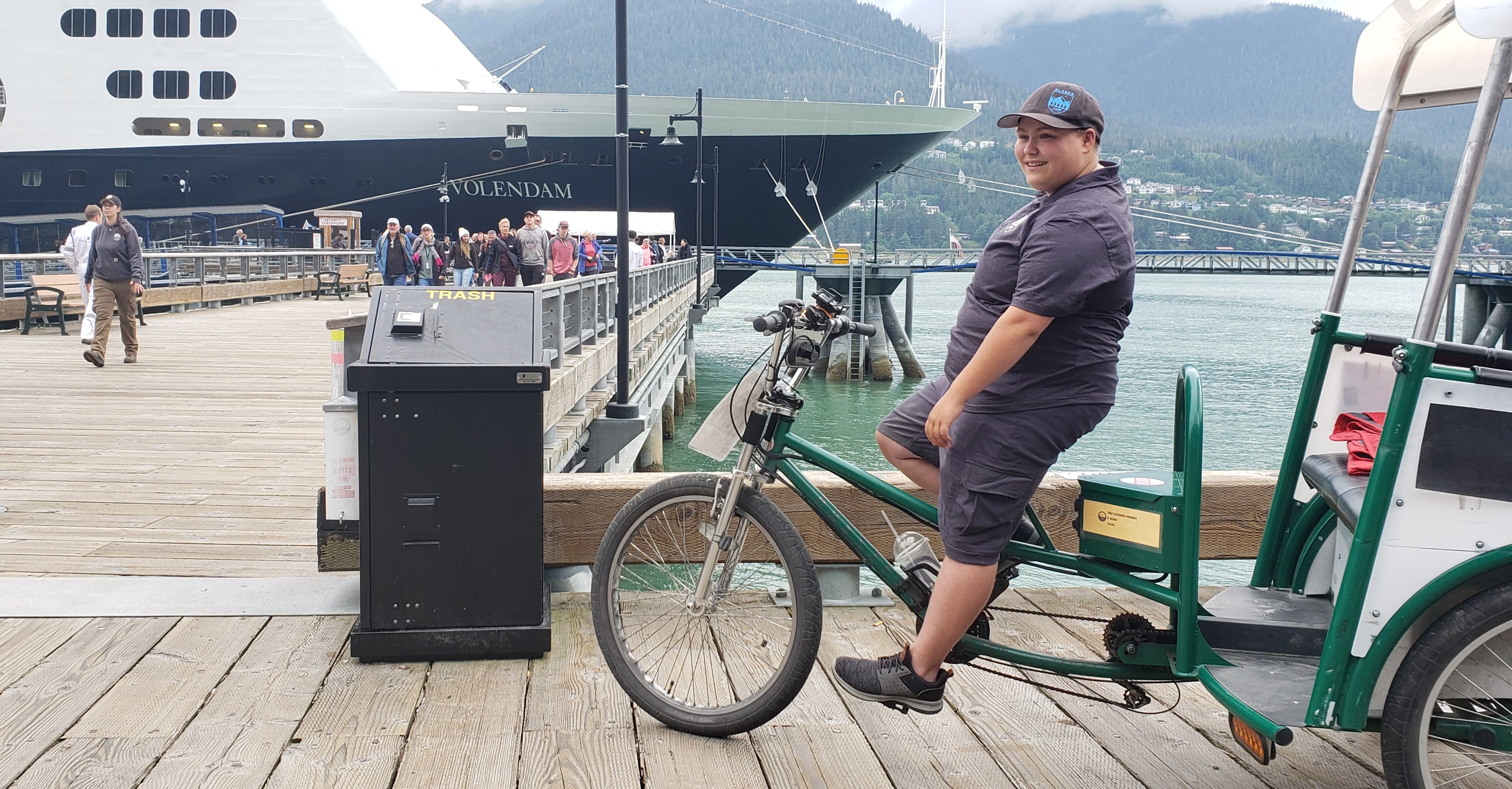

“Tightness in my chest and wheezing,” he said. “So it’s just a feeling that I couldn’t breathe, almost? I would, you know, walk up the stairs and have to stop halfway up to catch my breath.”
The city declared an air emergency.
Local drought conditions contributed to calls for water conservation, a ban on personal fireworks and later, a red flag burn ban.
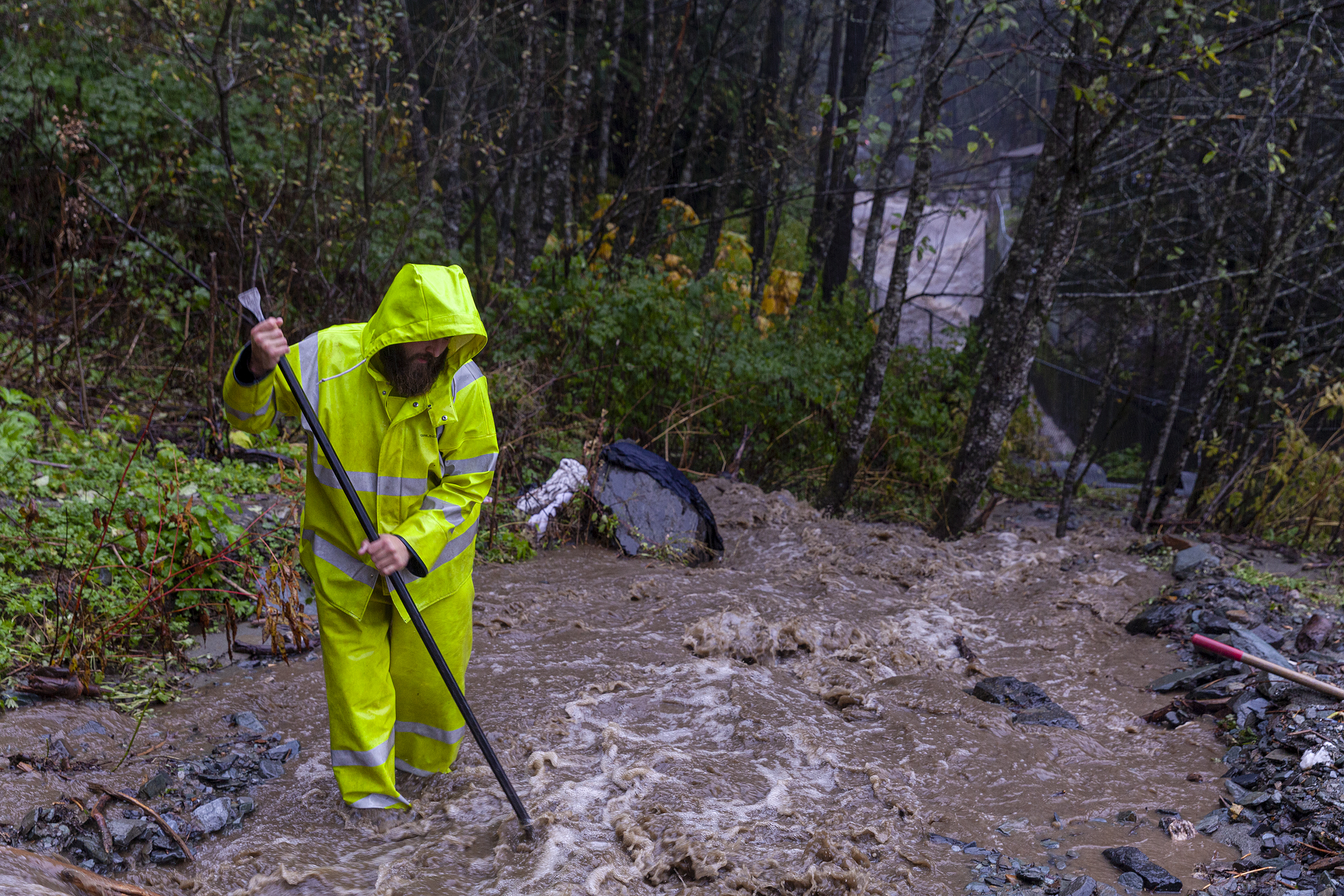
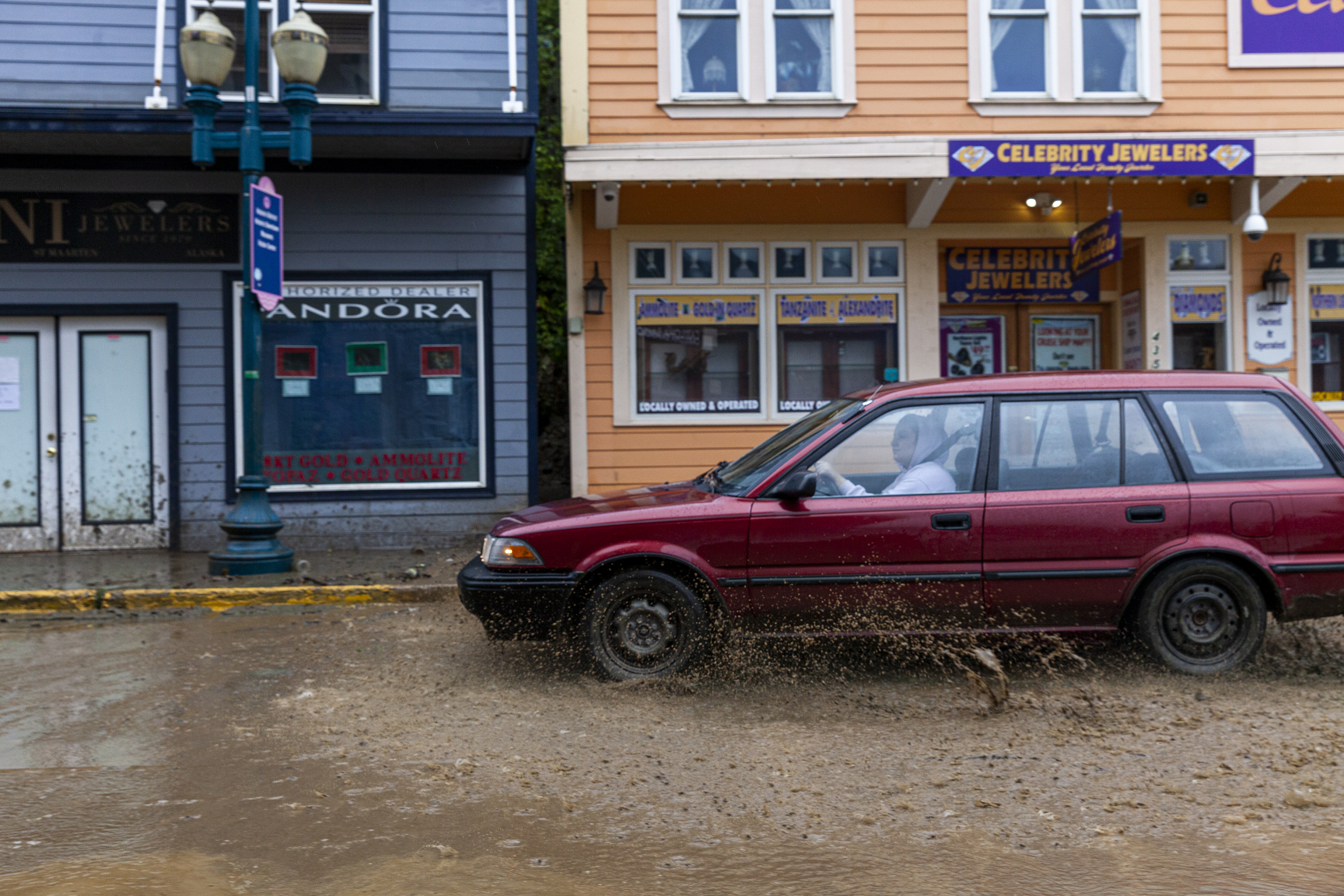
Too hot and too dry became too wet, too suddenly.
Banging on Shawn Blumenshine’s door in Douglas woke him up at 3 a.m.
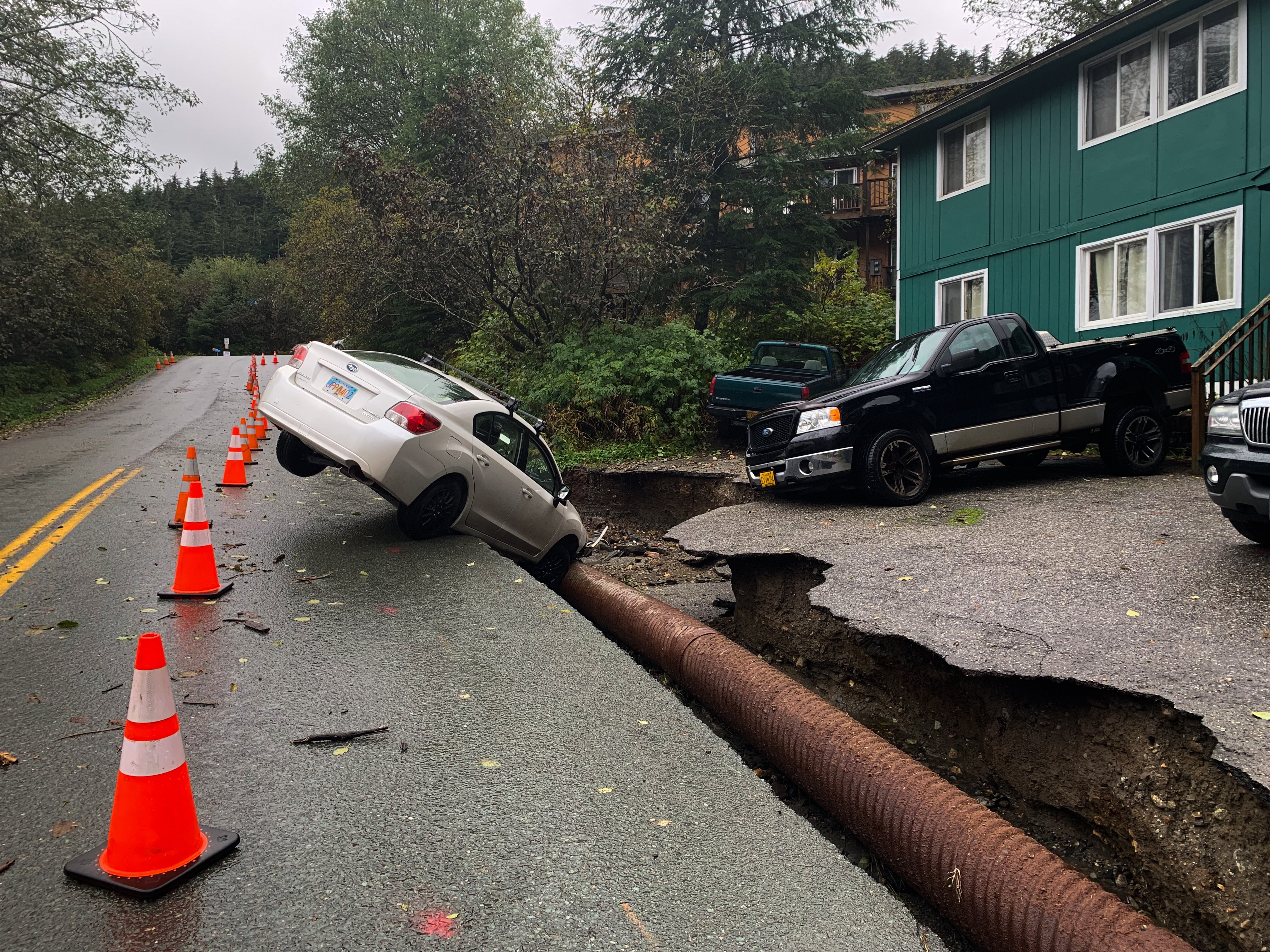
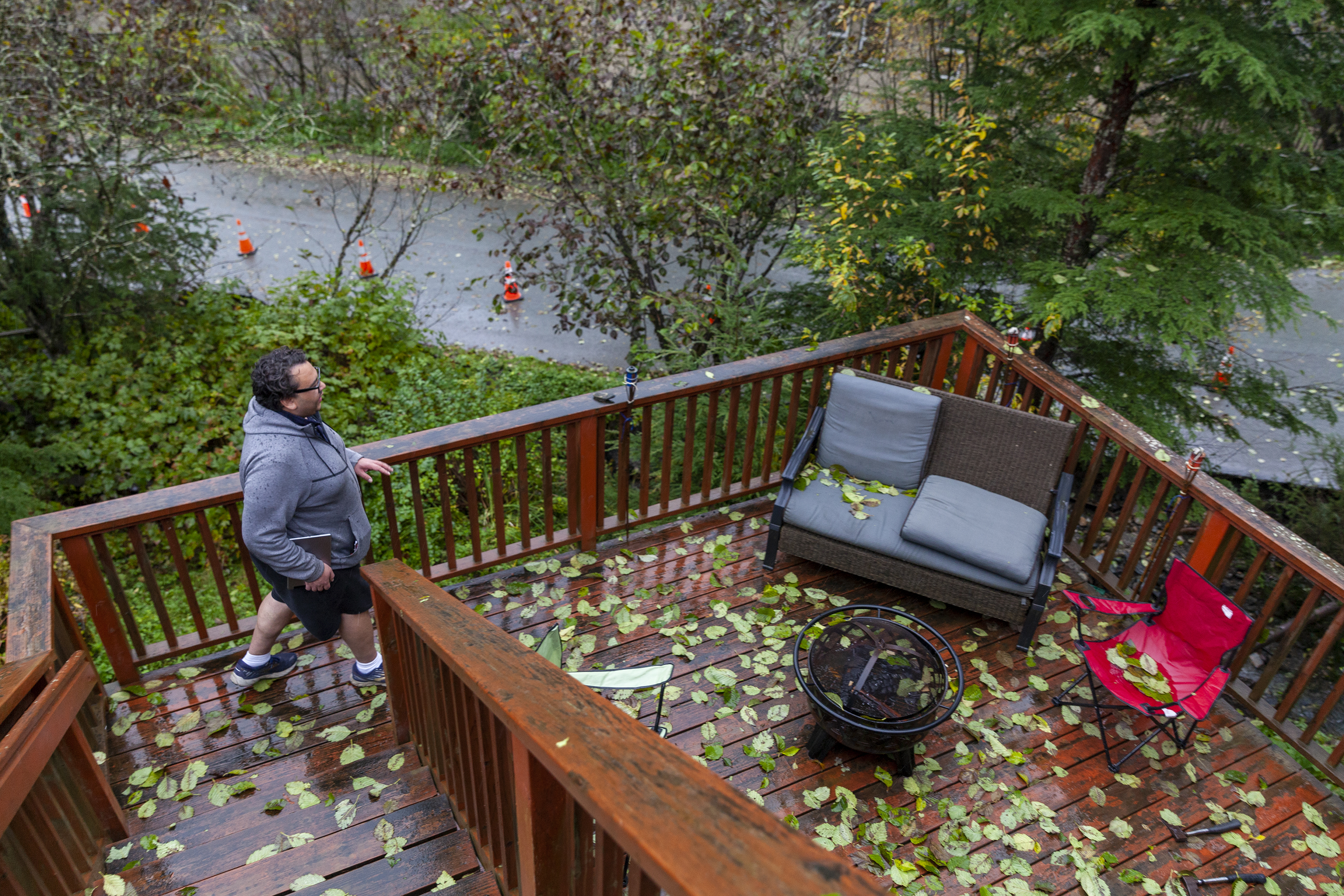
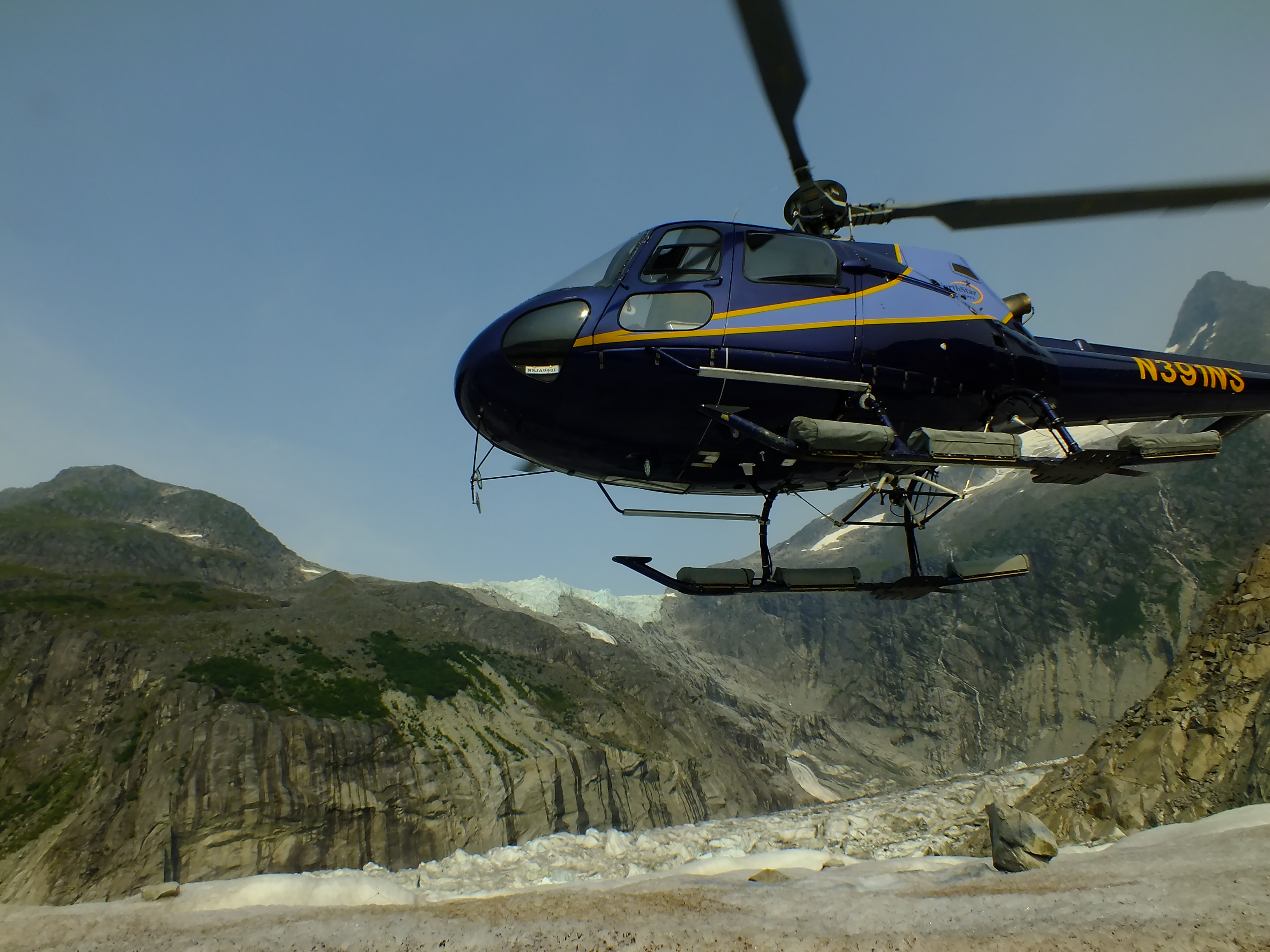
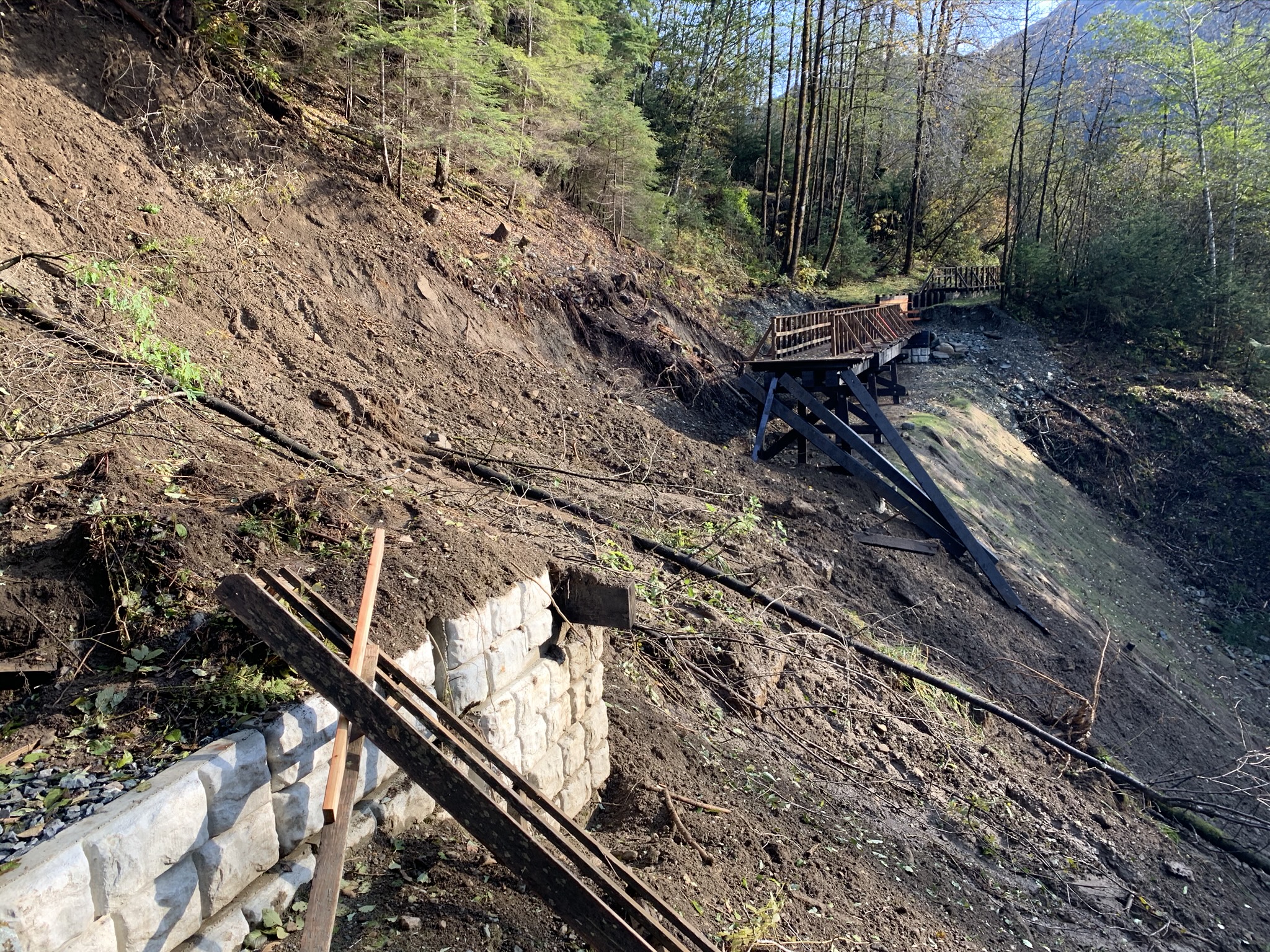
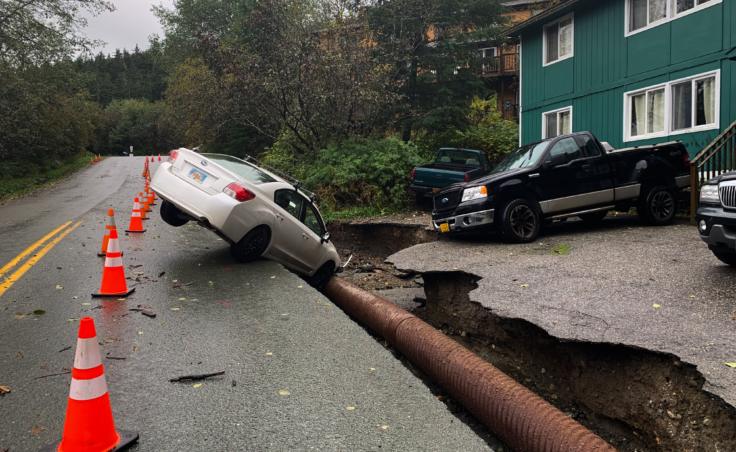


“And I get up and I answer, it’s about three or four city workers. They’re like, ‘You need to leave — we’re evacuating the neighborhood,’” he said.
Heavy rains eroded away a piece of John Street near his house. And, rain-related landslides took out pieces of the newly rebuilt Flume Trail. The relatively new phenomena of Mendenhall Lake and River flooding from glacial dam releases also happened again.
Locals are adapting. The Central Council of the Tlingit and Haida Indian Tribes of Alaska is working on a climate change plan. Eaglecrest Ski Area is looking into more summer activities after several bad winters for snow sports.
https://youtu.be/RwYV_08w_NY
Capital beef
Alaskans from the road system took two big swings at relocating an entire branch of the state government out of the capital city.
Three residents from Anchorage, Fairbanks and Soldotna sponsored an effort to ask voters in 2020 to force the Alaska Legislature to meet in Anchorage.
Wayne Jensen chairs the Alaska Committee. It’s a nonprofit that works on keeping Juneau the capital.
“When you move the meetings of the Legislature, that’s moving the legislative session, and that’s what happens in the capital,” Jensen said. “And so, those two all go together. So if you move the Legislature, and you move the session, you’ve moved the capital.”
The initiative needs 28,501 qualified signatures by April 21, 2020, to get on the statewide ballot. State officials don’t have good estimates of what the move would cost.
Gov. Mike Dunleavy took the other big swing, calling a special session of the Alaska Legislature in Wasilla.
“So people are asking, ‘Why here in the Mat-Su?’ Because the Mat-Su is centrally located,” he said. “Within five hours of driving, you have about 500,000-plus people that can drive to the Mat-Su.”
The call geographically divided what was already a politically divided Legislature. About a third of lawmakers sided with the governor and met in Wasilla. The others met in defiance in Juneau.
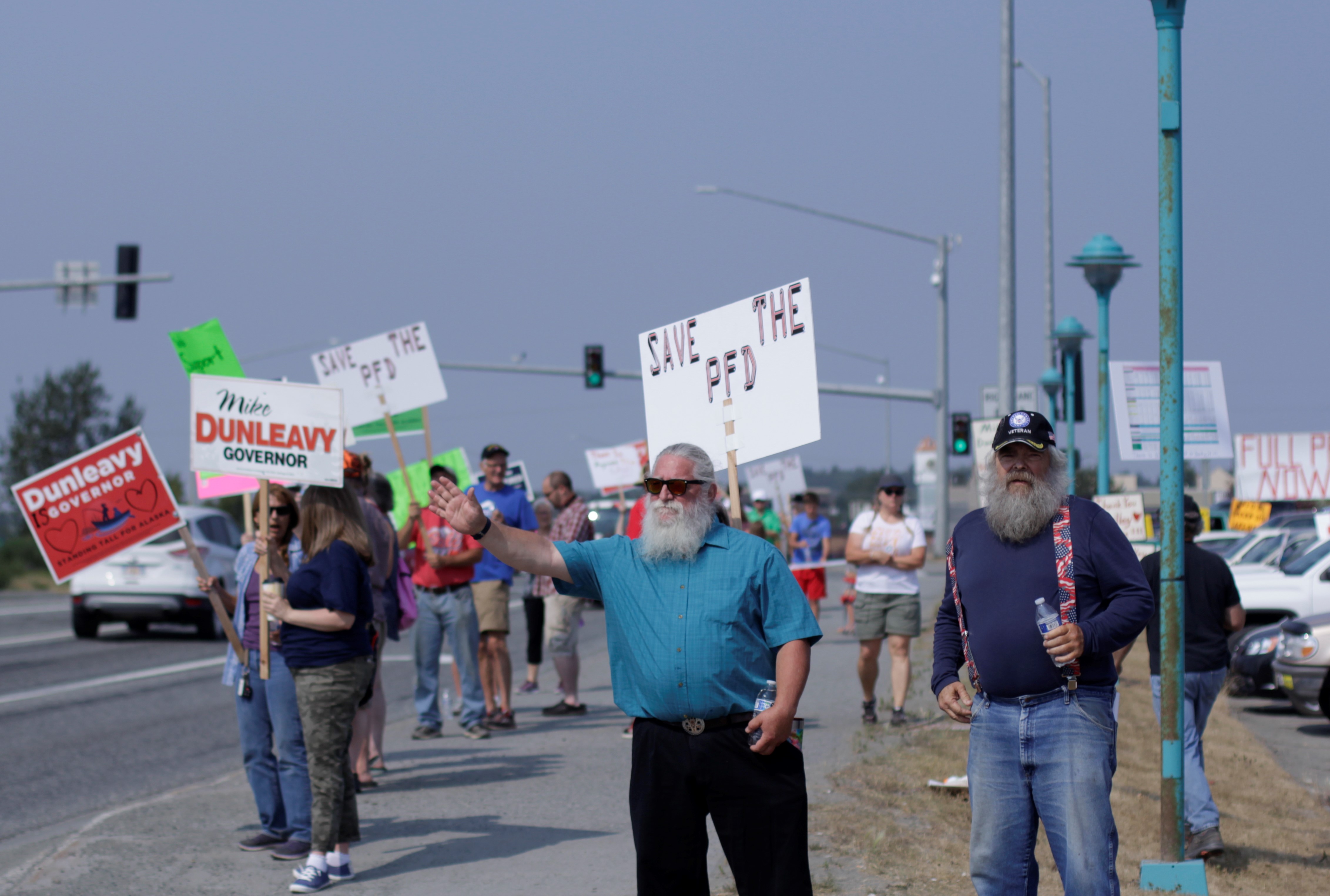
Attorney General Kevin Clarkson said the governor could get state troopers to round up lawmakers and deliver them to Wasilla. But eventually, the governor yielded to lawmakers in Juneau.
Budget squeeze tightens
Years of tight state budgets during Gov. Bill Walker’s administration gave way to bold proposals from the new Dunleavy administration to seize municipal property taxes, pay out full permanent fund dividends plus backpay, and deeply cut state budgets.
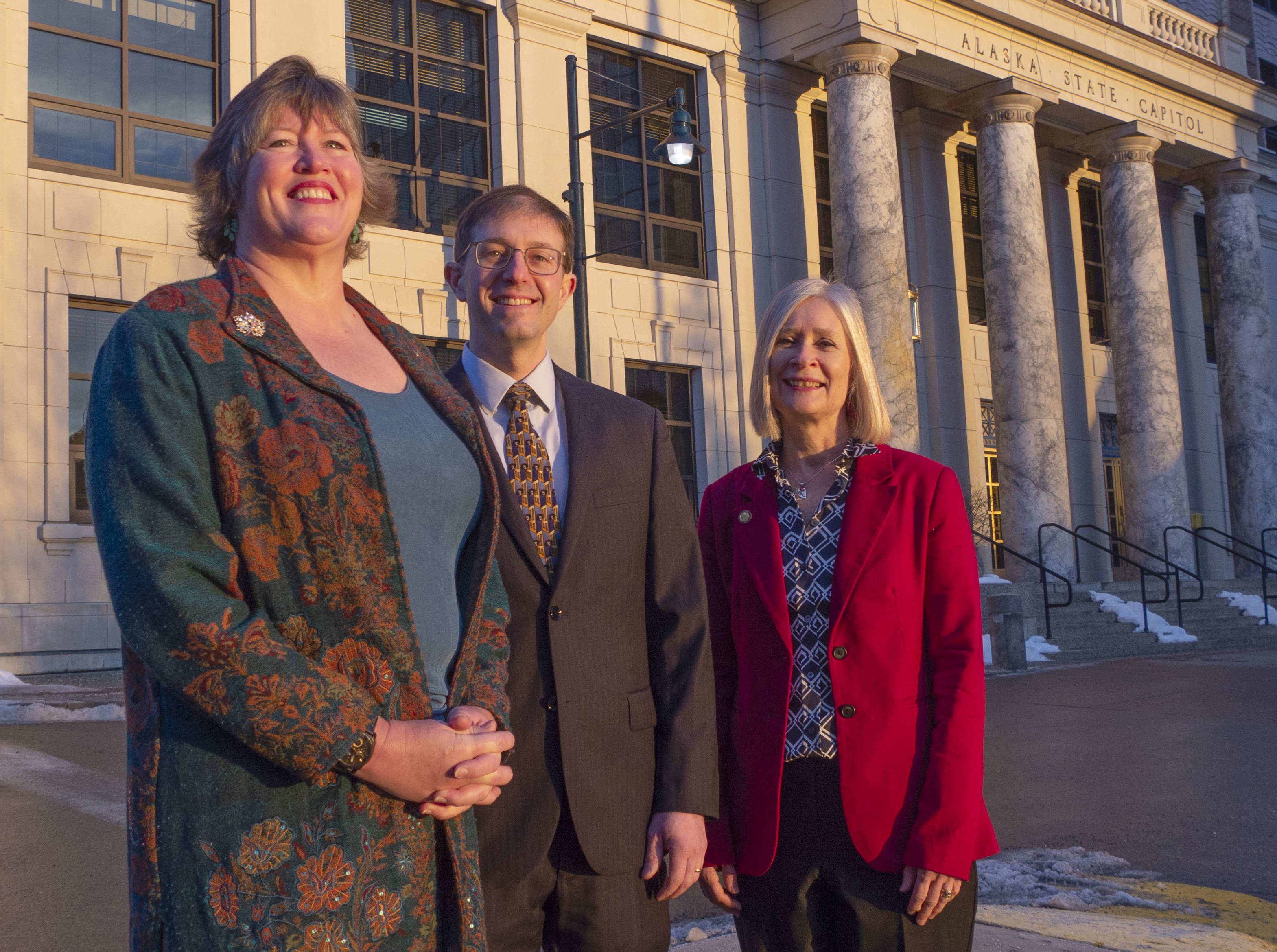
The Juneau legislative delegation and Juneau Assembly opposed the governor’s budget, and later his line-item budget vetoes to cut back much of what lawmakers’ restored.
“Well, those vetoes are as bad as we thought they could be,” said Juneau Democratic Rep. Sara Hannan. “You know, I think many of them are bringing us back to the governor’s budget of February and, I think, are devastating to the economy of Alaska.”
In Juneau, protesters chanted, “Override! Override! Override! Override!”
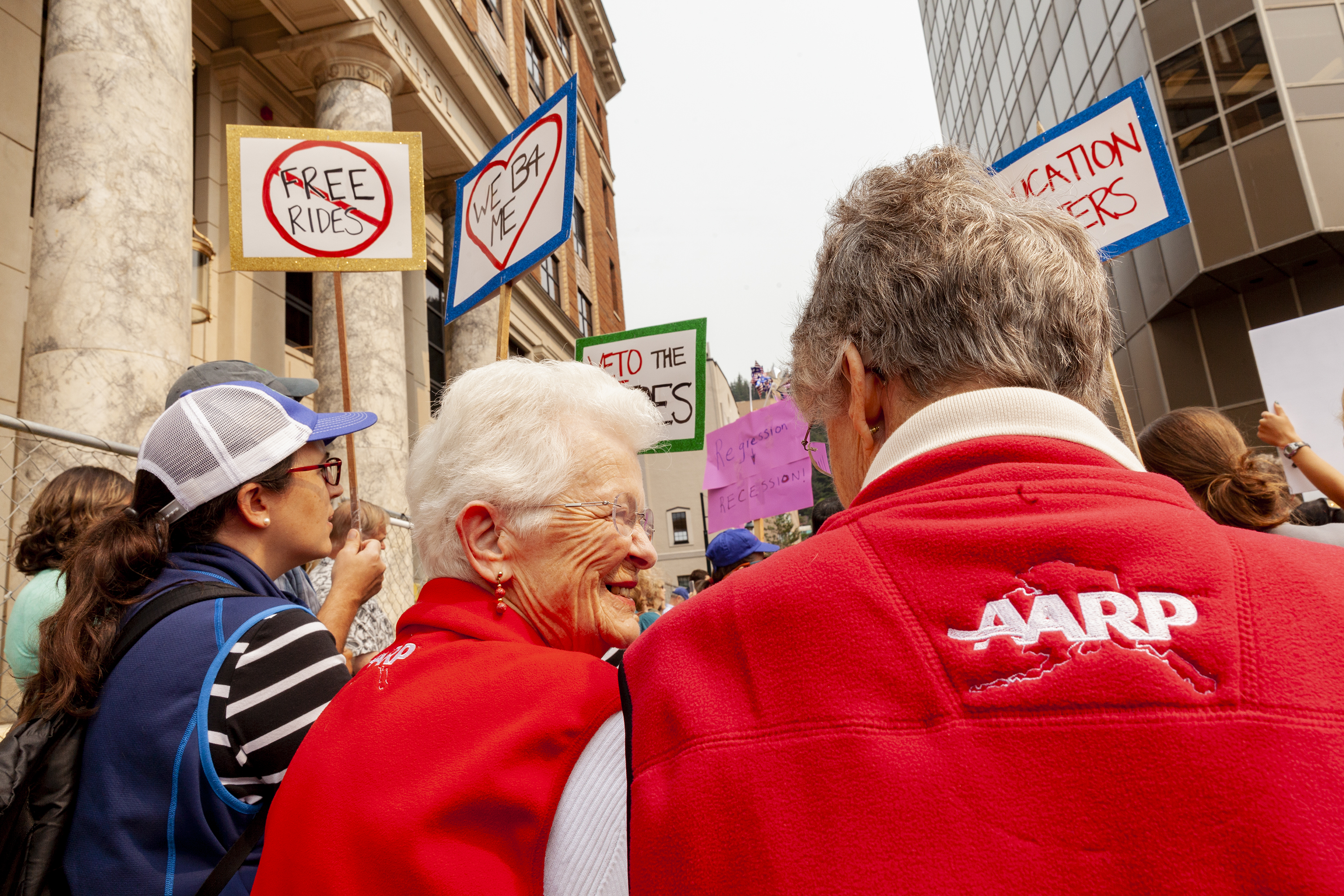
Legislative leaders needed a three-quarters supermajority to override the governor’s vetoes. They couldn’t get it.
So, the University of Alaska Southeast is laying off staff, the local property tax rate could have fallen but won’t, on-board cruise ship inspectors got the ax, most of the ferry fleet is out of service, job numbers are down in Southeast Alaska, and nursing homes like Wildflower Court aren’t sure how they’ll satisfy federal mandates with the drop in state funding.
Road-yes rule?
The Trump administration pushed to open the Tongass National Forest up to road building and resource development. Gov. Dunleavy and Alaska’s congressional delegation backed it, though it drew a lot of opposition from regional environmental, tribal and tourism interests.
“People aren’t coming to Alaska to see clear cut forests and mines and pipelines and oil rigs,” said Lee Hart, founder of the Alaska Outdoor Alliance. “They’re coming to see the magnificent public lands and waters and glaciers and wildlife that we have here.”
At least 220,000 people have formally weighed in. An early review of 140,000 comments showed most favored keeping restrictions in place.
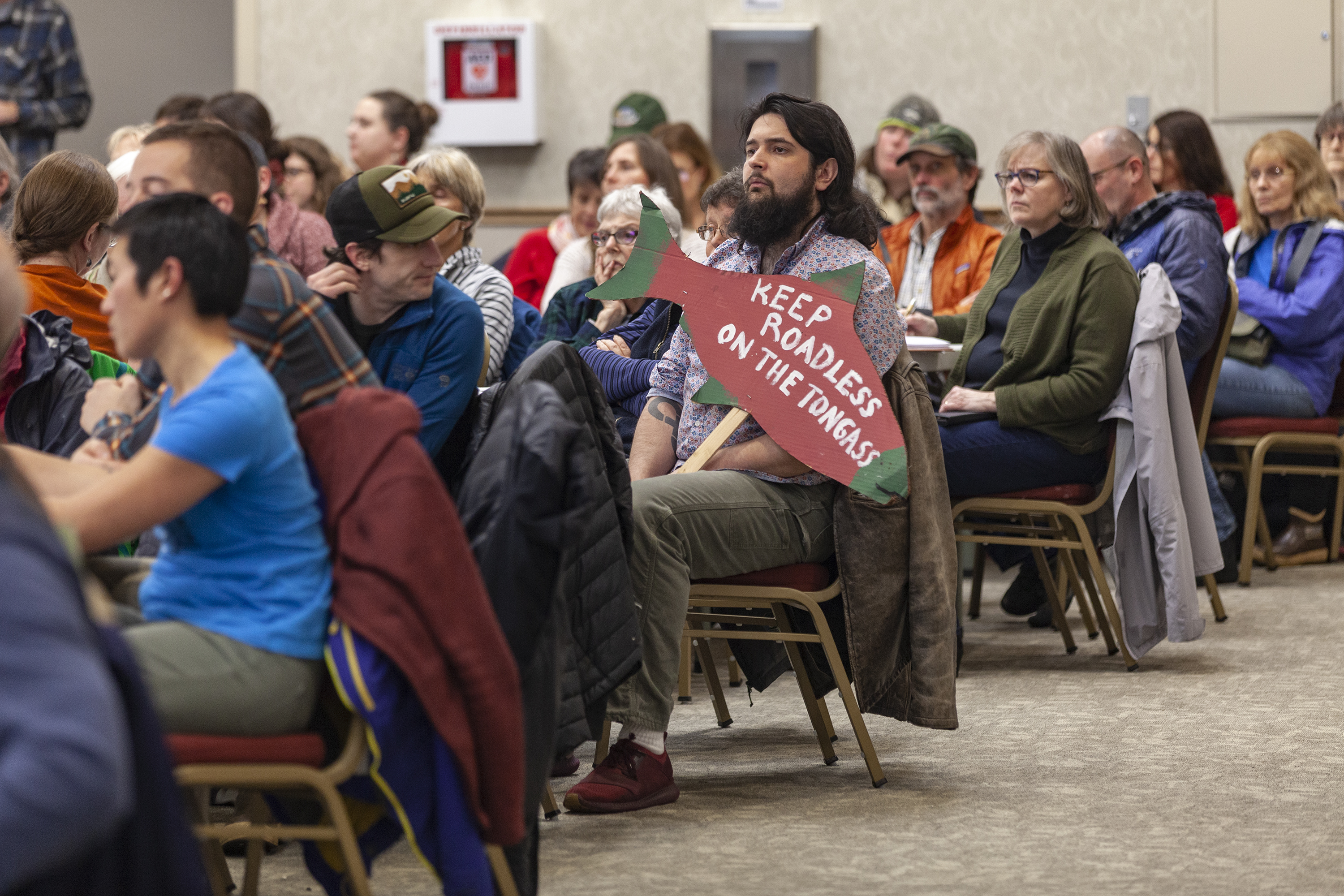
The push drew international press with headlines like, “How Trump may bulldoze ‘America’s Amazon,’” and “Alaskans fight to save US’s largest national forest.”
In related news, a timber industry group got federal grant money to weigh in on the rule change. That has raised questions in Congress.
Supporters and opponents both say lifting road-building restrictions won’t restore the timber industry.
A final decision from the U.S. Forest Service is expected in 2020.
Guardian Flight
The medical community suffered a major loss when a Juneau-based Guardian Flight air ambulance team bound for Kake never arrived.
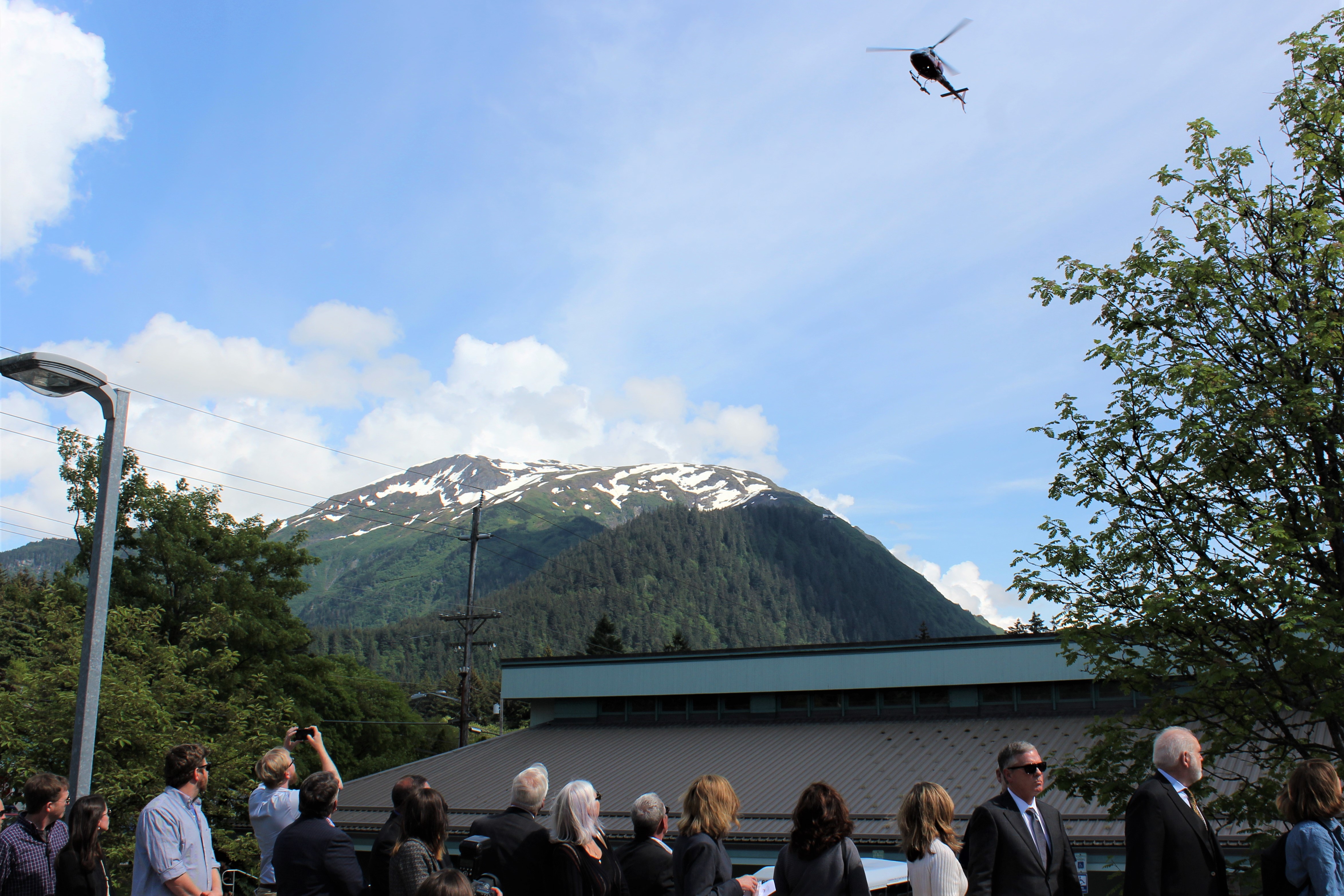
In June, first-responders and the community paid their respects at a memorial service for pilot Patrick Coyle, flight paramedic Margaret Langston, and flight nurse Stacy Morse, who was pregnant, when the plane disappeared over Frederick Sound on Jan. 29.
In a preliminary report, federal transportation investigators said there was a loss of control on approach to the airport in Kake.
Other notable headlines
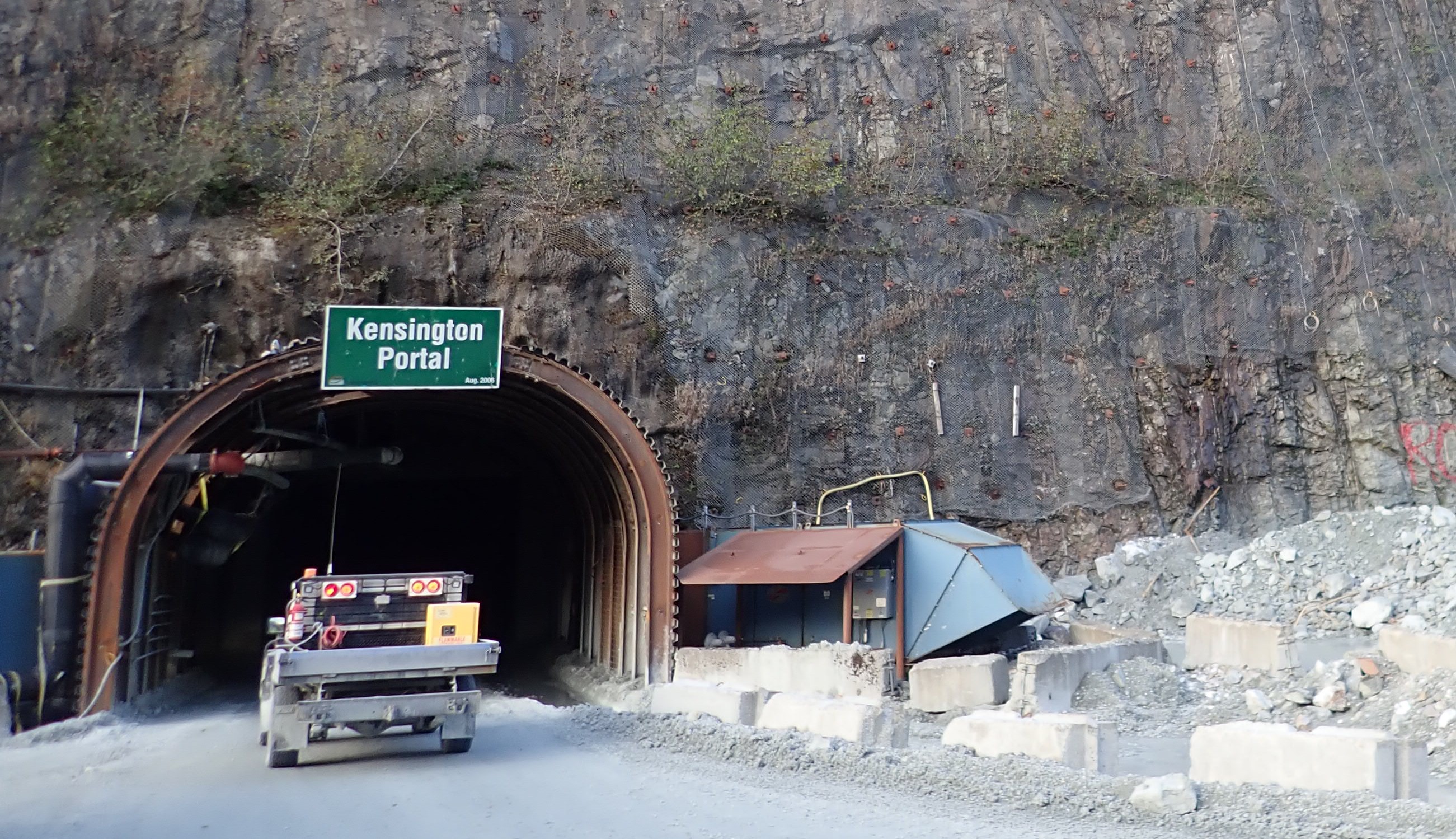


- Coeur Alaska announced plans for a major expansion of its Kensington Gold Mine.
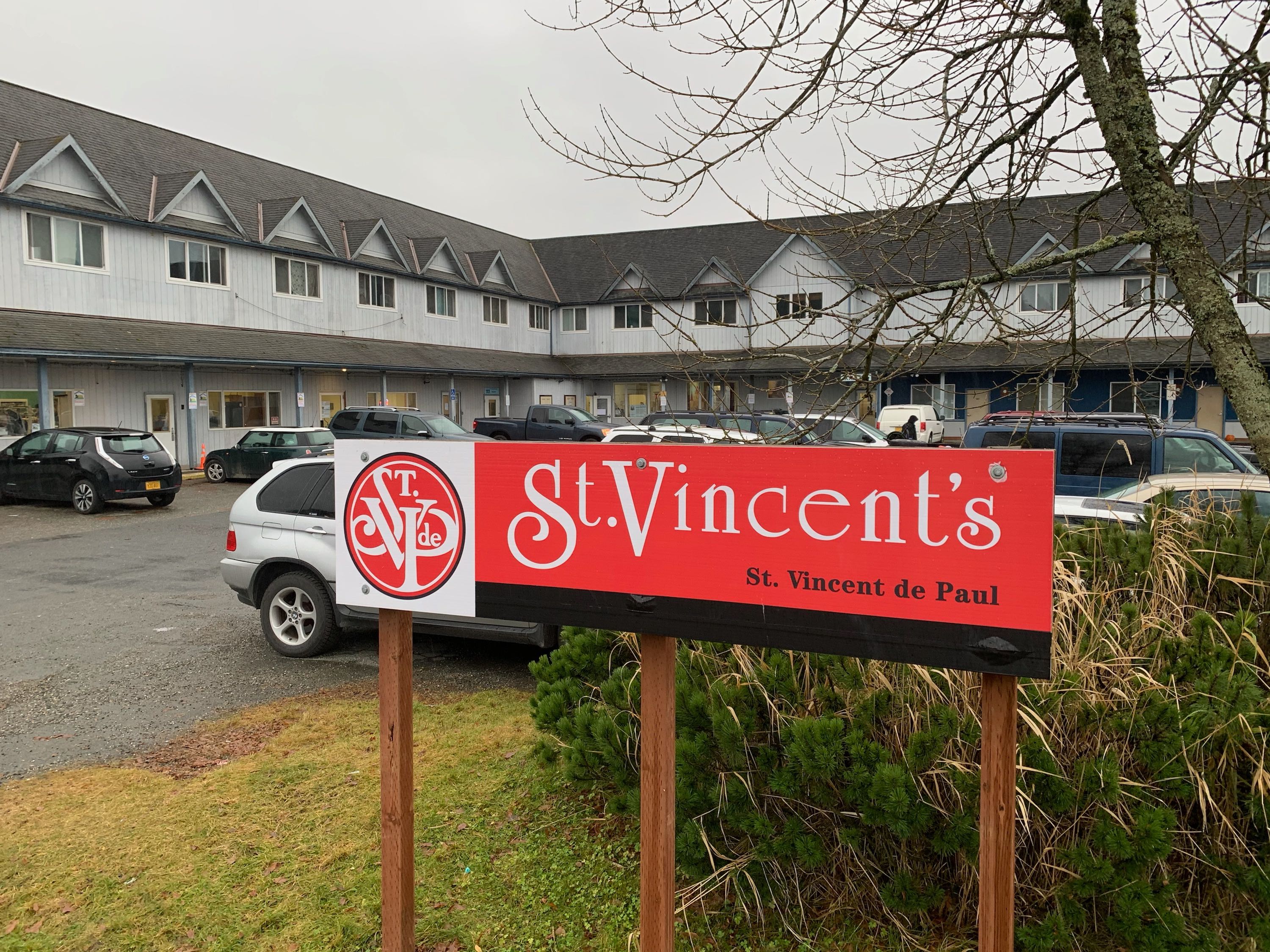
- A January count of Juneau’s homeless population showed numbers falling for the first time since 2016. And Juneau Housing First got grants for an expansion. But other soup and shelter services were shaken up. The Glory Hall cut breakfast amid budget cuts and worked on plans to move to a new location. The building that housed a downtown cold weather shelter was demolished; St. Vincent de Paul now provides the service in the Mendenhall Valley.
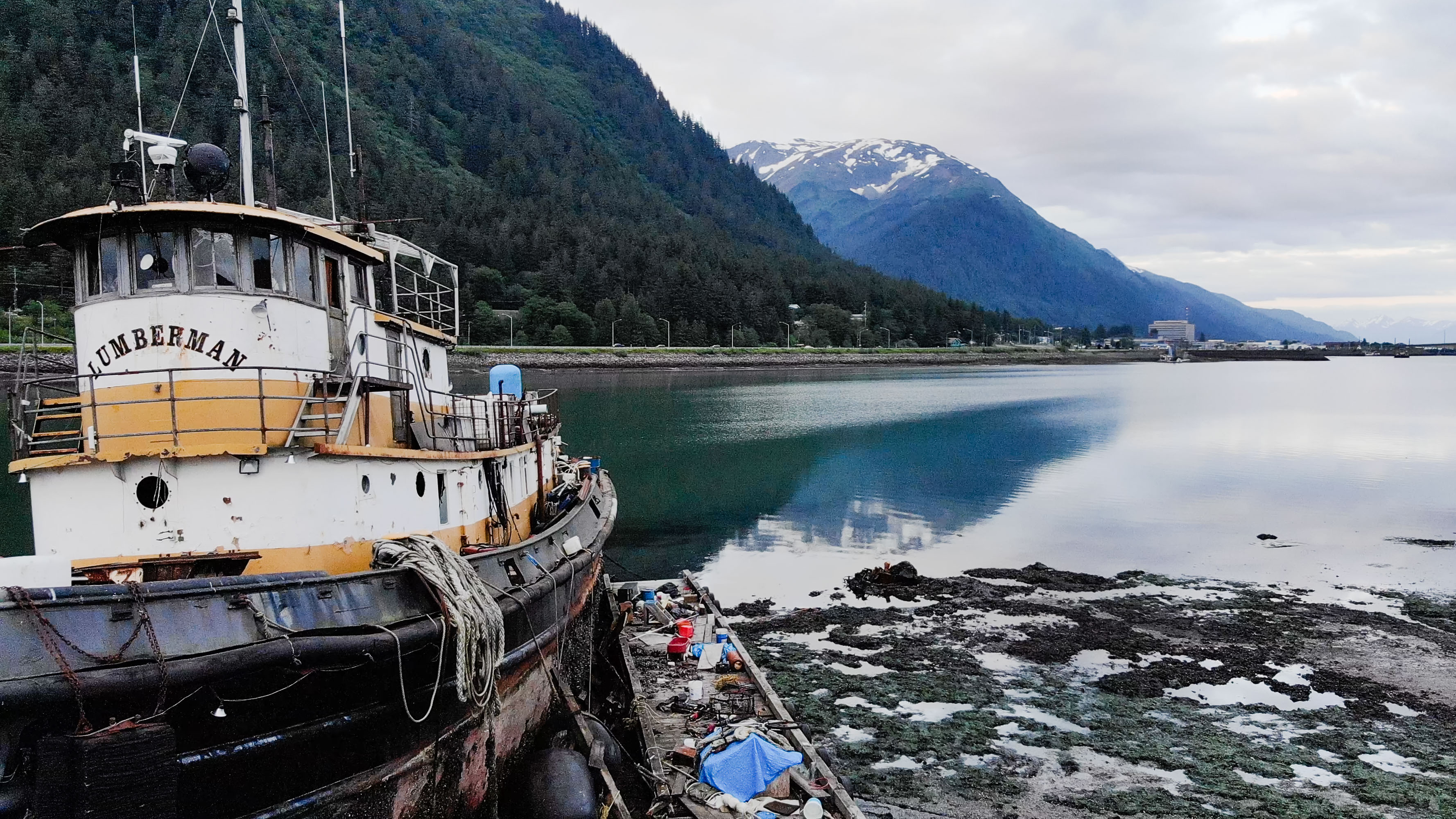
- Oh, and the Lumberman, the derelict tug boat in Gastineau Channel? Still floating. Briefly spotted with Christmas lights.