
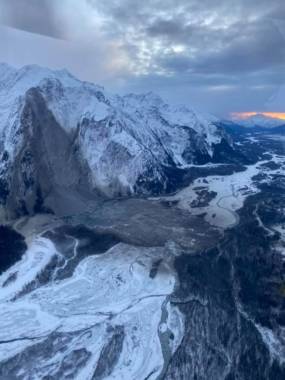
When all that rock fell, it shook the earth equivalent to a magnitude 2.8 or 2.9 earthquake.
Science & Tech
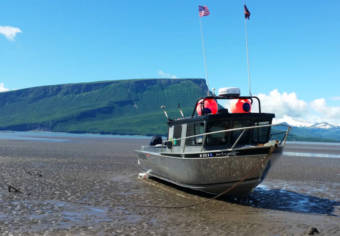
Closures send clamdiggers across Cook Inlet
Scientists aren’t sure why the razor clam crash started about a decade ago. What they do know is that stocks aren’t rebounding.
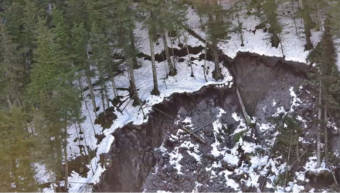
With some residents still displaced, Haines seeks help from engineers to assess unstable hillside
The unstable hillside above Beach Road led to the suspension of the search and rescue efforts and prevented many residents from returning to their homes.
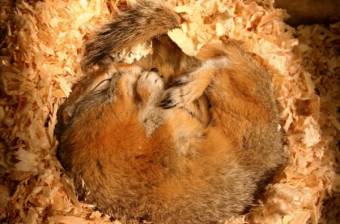
If ground squirrels can hole up for months without starving or losing muscle, why can’t we?
A UAF study found that arctic ground squirrels’ bodies transform existing nutrients into resources that can be used to build back tissue that atrophies during hibernation.
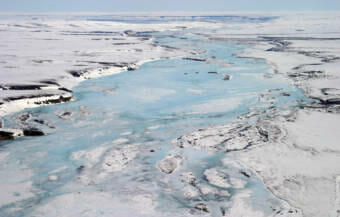
The lease sale is set, but how much oil actually is under ANWR’s coastal plain?
While geologists say the rock formations, oil seeps and old seismic results seem promising, big questions remain about where the oil is trapped, and exactly how much of it there is.
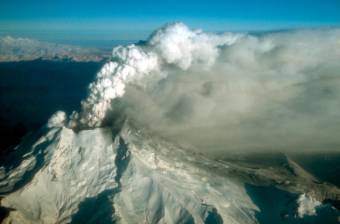
On this day in 1989, Redoubt eruption triggered seismic shift in Alaska volcano research
When Redoubt erupted in 1989, the Alaska Volcano Observatory was just one year old and relayed information by fax machine and floppy disk. Today AVO uses an array of sensors, receivers and satellites to monitor dozens of Alaska volcanoes, including Redoubt.