
In this newscast: The Juneau Assembly will decide on Monday whether to approve an ordinance regulating electric motorcycles on Juneau’s streets, parks and trails; A nationwide ground stop causing air travel delays on Friday does not appear to be affecting in-state flights for Juneau travelers; For C. Scott Fry, music was a lifelong passion; Prince of Wales Island first responders and Alaska State Troopers are searching for two people who were in a car that went off a bridge near Thorne Bay yesterday.

Clarise Larson
City Government Reporter, KTOO
"My mission is to hold Juneau’s elected officials accountable for their actions and how their decisions impact the lives of the people they represent. It’s rooted in the belief that an informed public has the power to make positive change."
When Clarise isn't working, you can find her skijoring with her dog, Bloon, or climbing up walls at the Rock Dump.
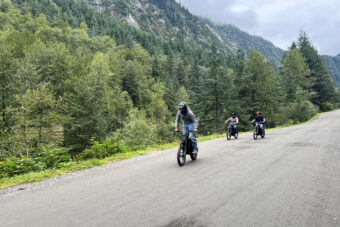
Juneau Assembly to vote on city-wide e-motorcycle regulations on Monday
The Assembly will also consider an resolution to round all city cash transactions to the nearest nickel and an ordinance to issue nearly $25 million in bond debt to fund an extension project of the downtown seawalk to the AJ dock.
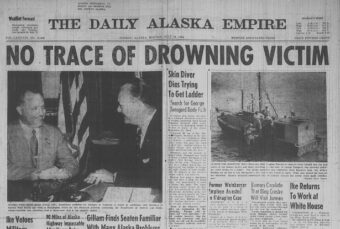
Forget ghosts this spooky season. Have you heard of Juneau’s infamous Gastineau Monster?
KTOO’s Clarise Larson takes us back to July 15, 1956, when a Juneau diver vanished from the channel’s surface, allegedly pulled down by a creature of colossal proportions.
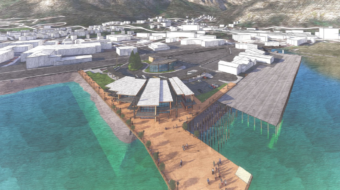
Juneau planning commission OKs downsized Huna Totem cruise project as costs skyrocket
Huna Totem says the project’s cost have escalated from an expected $150 million to now more than $250 million, largely due to tariffs on steel and market volatility.
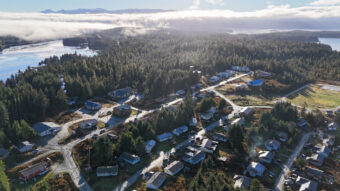
Missing Angoon fisherman found dead
According to Alaska State Troopers, 35-year-old Roger Williams, Jr. was last known to be taking his red and silver 16-foot Lund boat from the Angoon boat harbor to the ferry terminal to go cockle fishing.
Newscast: Tuesday, Oct. 27, 2026
In this newscast: Goldbelt Incorporated is a step closer toward its plan to build a $500 million cruise ship port in Juneau. The State of Alaska issued a preliminary decision last week to approve a 25-year lease of state-owned tidelands on Douglas Island to the Alaska Native corporation; The Juneau Assembly bid farewell to two longtime members at its meeting Monday night and unanimously voted to reject an ordinance to establish regulations for electric motorcycle use in city parks, trails, and recreation areas and on designated Eaglecrest trails. Assembly members plan to pursue a different ordinance that would enact citywide regulations; Data centers are proliferating in rural areas across the United States to support the rapidly developing artificial intelligence (AI) industry. And proposals to construct them in Southeast Alaska have recently cropped up in Wrangell and Petersburg. At a meeting on Wednesday, the Sitka Planning Commission recommended prohibiting the construction of data centers, at least for now; Ketchikan’s city council last winter approved updates to its municipal code that limit where people can sit, lie or camp within city limits. The changes were met with both support and opposition, with some arguing that they could negatively impact the city’s unhoused population.