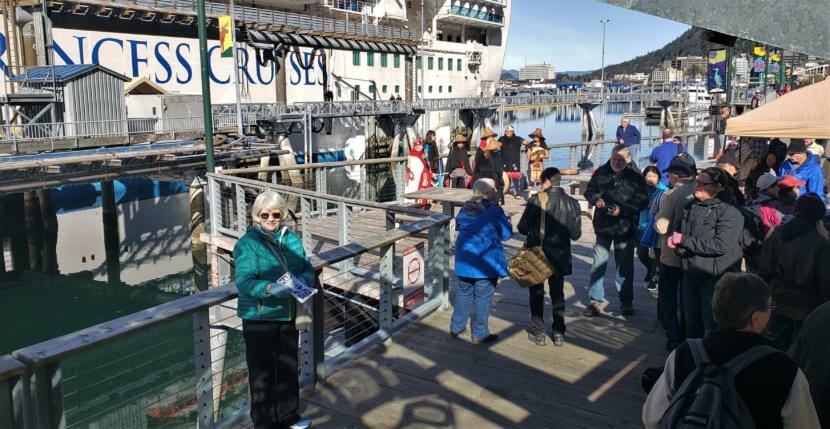
Vicki Logan of Travel Juneau greets Ruby Princess passengers and hands out walking maps at the Franklin Dock on Sunday, April 28, 2019. (Photo by Jeremy Hsieh/KTOO)
Alaska’s tourism industry is experiencing impacts from the Chinese government’s travel ban.
“There have been some cancellations we’ve heard from tour operators and our members, but I haven’t heard significant concern yet,” said Alaska Travel Industry Association President Sarah Leonard.
She said the cancellations reported so far are for winter tours. The industry group has asked its members to report cancellations as they prepare for the summer season.
Chinese tourism to Alaska has grown more than 70% since 2013, according to data provided by ATIA. Nearly 6,000 visitors from mainland China traveled to Alaska last year. In 2018, Chinese travelers spent an estimated $18.1 million in the state.
Cruise ship tourism in other parts of the world has already been impacted. More than 3,000 passengers and crew are currently quarantined on a ship off the coast of Japan after at least 10 passengers tested positive for the virus.
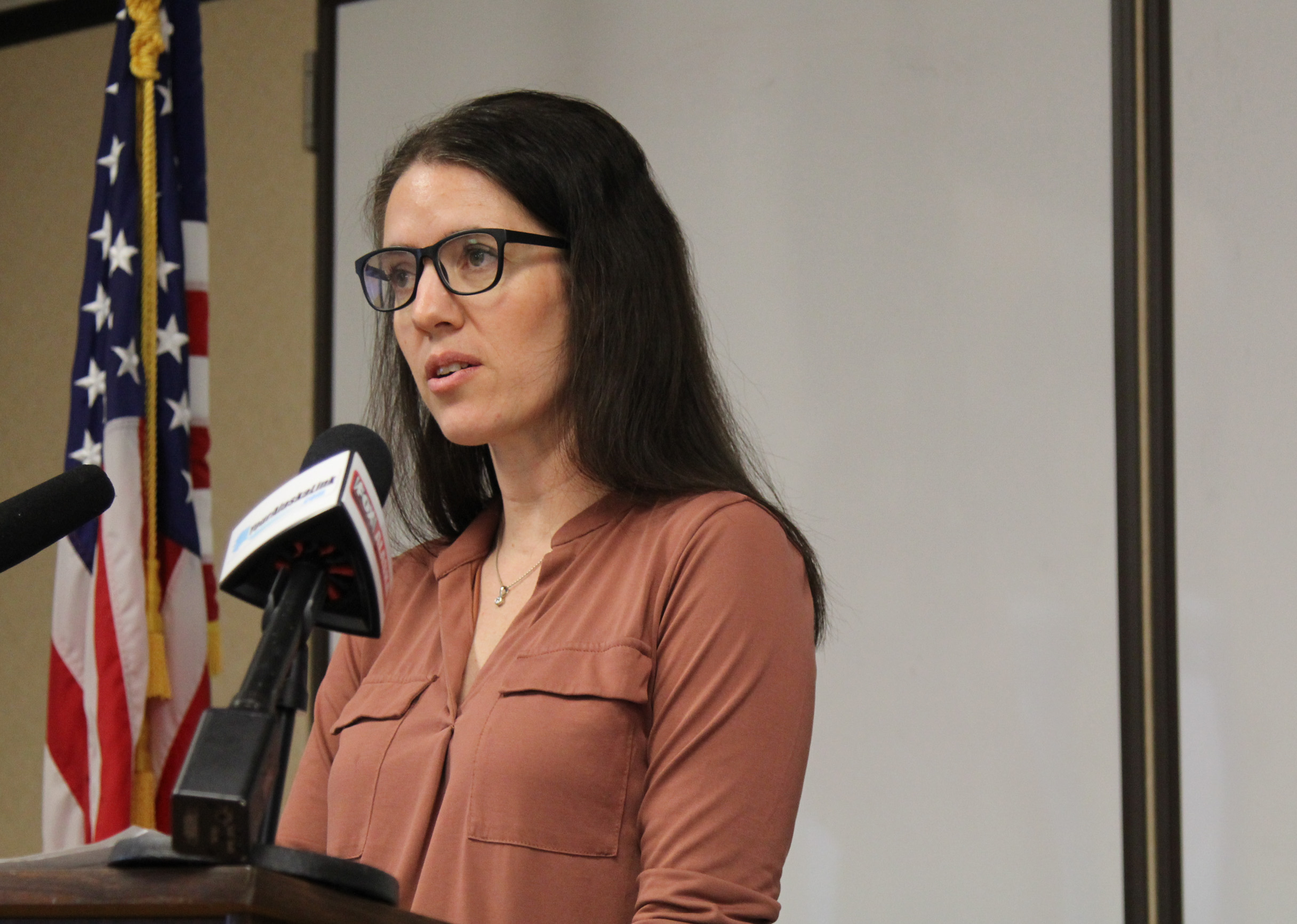
Alaska’s Chief Medical Officer Dr. Anne Zink speaking at a press conference in Anchorage about the flight carrying 201 passengers from Wuhan, China, the epicenter of the coronavirus, that landed in Anchorage on Jan. 29. (Photo by Zachariah Hughes/Alaska Public Media)
Officials in Alaska say everything went as planned with a flight stopping briefly in Anchorage overnight, returning 201 Americans from Wuhan, China, amid the spread of the coronavirus.
At this point, there are no similar efforts planned for the Ted Stevens Anchorage International Airport, although cargo flights from Wuhan have been suspended.
At a press conference Wednesday, members of the governor’s administration, medical professionals and the Anchorage airport manager debriefed reporters after the repatriation flight.
The plane left for Southern California after everyone aboard passed a health screening test at the airport when the aircraft stopped there to refuel Tuesday night.
Gov. Mike Dunleavy said he was proud of the state’s response.
“The chances of any Alaskan getting sick as the result of this plane landing and then going through the screenings is basically zero. It’s extremely, extremely low,” he said.
State officials worked closely with federal and tribal partners. Overnight, the passengers were taken off their plane into the north terminal at Ted Stevens, which is closed to the public currently. There, they underwent health screenings and were all cleared to continue.
Chief Medical Officer Dr. Anne Zink said the state used recently-tested emergency coordination strategies from natural disasters and global health crises over the last several years.
“We took the experiences and the work and the preparation that went into the Ebola outbreak, the mumps outbreak, our recent earthquake and so many more events, and applied them to this current challenge,” she said.
According to Zink, federal officials have not said whether they plan to repatriate any more citizens through Alaska. Officials stress that for the flying public in Alaska, there are no changes to expect as a result of the coronavirus. But they do stress taking special care to practice good hygiene, like thorough hand-washing and covering coughs, particularly if you’re traveling through airports.
Zink, as well as the governor, recounted relieved citizens on the plane once it touched down in Anchorage.
“When I reflect back on the moments of these past few days, it’s really the cheers on the plane, the harrowing stories of U.S. citizens trying to get home,” Zink said. “The sounds of children being grateful for a stuff animal being donated by the Red Cross. Or the gentleman wanting to leave one of his few possessions, a pen with a U.S. and Chinese flag on it, to thank a worker that was helping to care for him.”
The airport’s north terminal is separate from the domestic terminal that most flying Alaskans are familiar with, and it has its own separate ventilation system.
Watch the latest legislative coverage from Gavel Alaska.
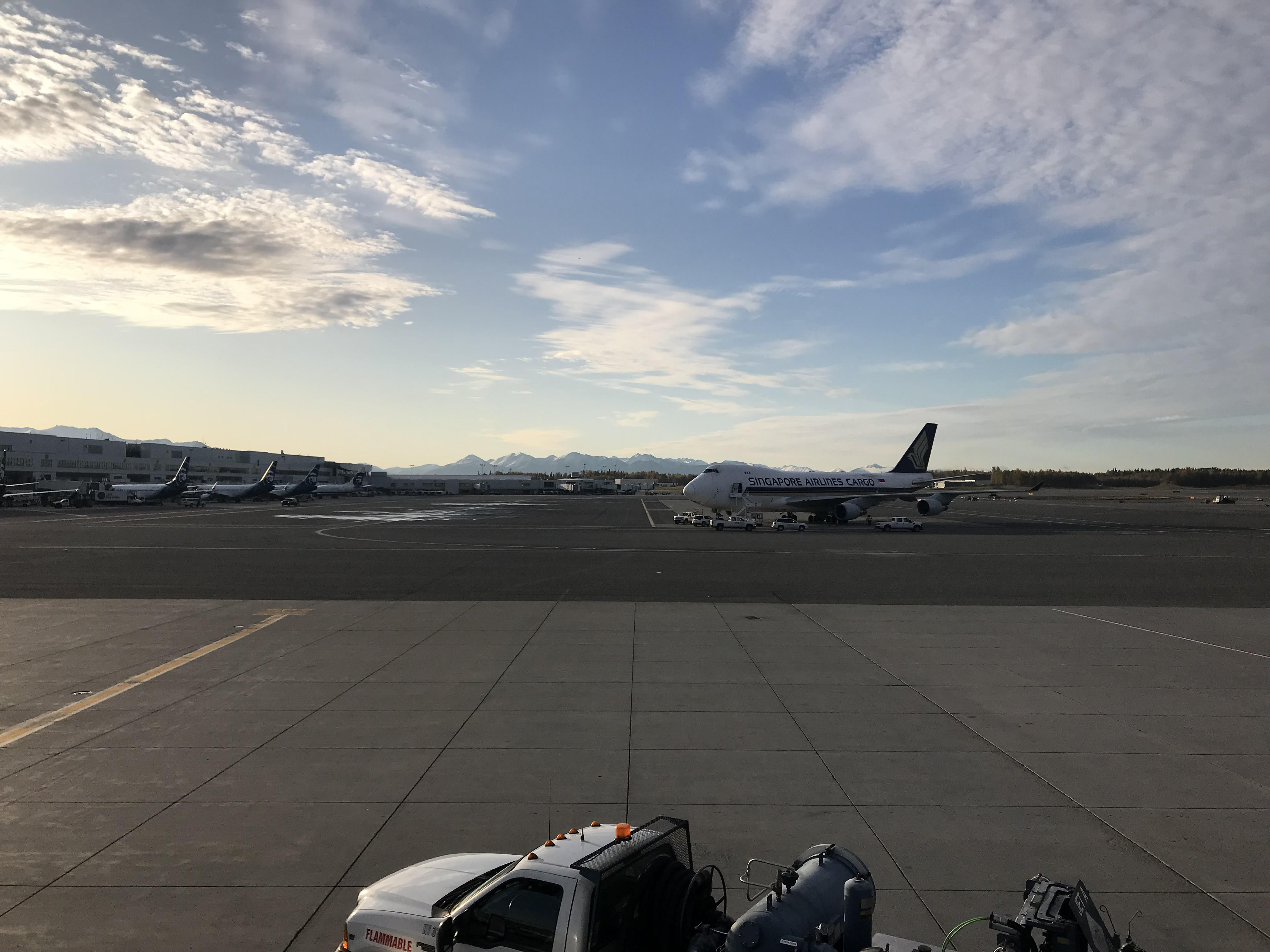
A Singapore Airlines cargo plane sits outside the North Terminal at Ted Stevens Anchorage International Airport. (Photo by Abbey Collins/Alaska Public Media)
A plane evacuating 201 Americans from the Chinese city at the center of the virus outbreak is on its way to Southern California after everyone aboard passed a health screening test at Ted Stevens Anchorage International Airport. The aircraft had stopped there to refuel Tuesday night. (Read more)
Original story
Amid the global spread of the coronavirus, hundreds of Americans being evacuated from China will stop briefly at an Alaska airport.
On Monday, the state’s Department of Health and Social Services announced a chartered flight repatriating around 240 Americans will refuel at Ted Stevens Anchorage International Airport, although officials did not yet know exactly when. During that time, a portion of the facility will be closed to the public and set up as a quarantine center to conduct health screenings on passengers before they continue on to home in the Lower 48.
The Associated Press reported early Tuesday afternoon that the charter flight had departed Wuhan and was en route to Anchorage on its way to Ontario, California.
AP source: A chartered plane evacuating Americans from Chinese city hit hard by a new virus has departed and is en route to the U.S. https://t.co/JjtuFOPFGT
In a news conference Monday morning, state officials stressed that the risk of illness to Alaskans from the measures is minimal.
According to DHSS, many of the U.S. citizens aboard the return flight are consular staff and their families, leaving the city of Wuhan as the coronavirus outbreak intensifies. Officials in Alaska say they were contacted over the weekend by federal partners inquiring about capacity and capabilities for assisting with refueling and health care screenings.
In a release, Gov. Mike Dunleavy said the state was asked to help facilitate the return of Americans from overseas, and has been “working closely to ensure the health and safety of all Alaskans while assisting with this request.”
But on Monday, there were still a lot of variables up in the air, such as the timing of when the refueling would take place.
“It’s been an interesting 48 hours to say the least,” said Dr. Anne Zink, Alaska’s chief medical officer.
“Things nationally and internationally are evolving incredibly quickly. This has to do with the Chinese government. They have shut down all travel in and out of the city,” Zink added. “Our federal partners are really coordinating with all of that.”
According to Zink, the American passengers will be screened for the virus before traveling out of China. If they show symptoms, they will not be allowed to board the flight. Health officials will monitor passengers during transit.
Ted Stevens’ north terminal has been shut down to the public, and a quarantine center has been set up. There, professionals from the Centers for Disease Control will re-screen all the passengers aboard.
State and federal officials are coordinating with area hospitals, Zink said, and are developing multiple contingency plans in case any of the returning travelers show signs of illness.
“Our goal is to minimize, in general, the connection between these passengers, as well as all personnel, but also Alaskans,” she said.
State officials said on Monday they had not been told where exactly the plane will fly after refueling, and they couldn’t say for certain if this is a one-time measure or likely to continue in the coming weeks.
Situated in between Asia and the Lower 48, Ted Stevens is a frequent stopping point for refueling during trans-Pacific flights.
As of Sunday, the World Health Organization reported 2,014 confirmed cases of the novel coronavirus, with 56 deaths, according to DHSS. In the United States, five cases have been confirmed, according to the CDC.
At this point, there have been no cases in Alaska, although one traveler through the nearby Seattle-Tacoma airport became ill last week, raising concerns.
The virus shares several symptoms with the flu, including fever, coughing and shortness of breath.
This year in the U.S., Zink said, between 15 million and 20 million Americans were infected with the flu, and prevention measures for the two ailments are largely the same: “Good hand washing, good hand hygiene, preventing infectious disease, like (by) getting your flu shot,” she said.
The state has set up a webpage on the novel coronavirus for Alaskans to stay up to date.
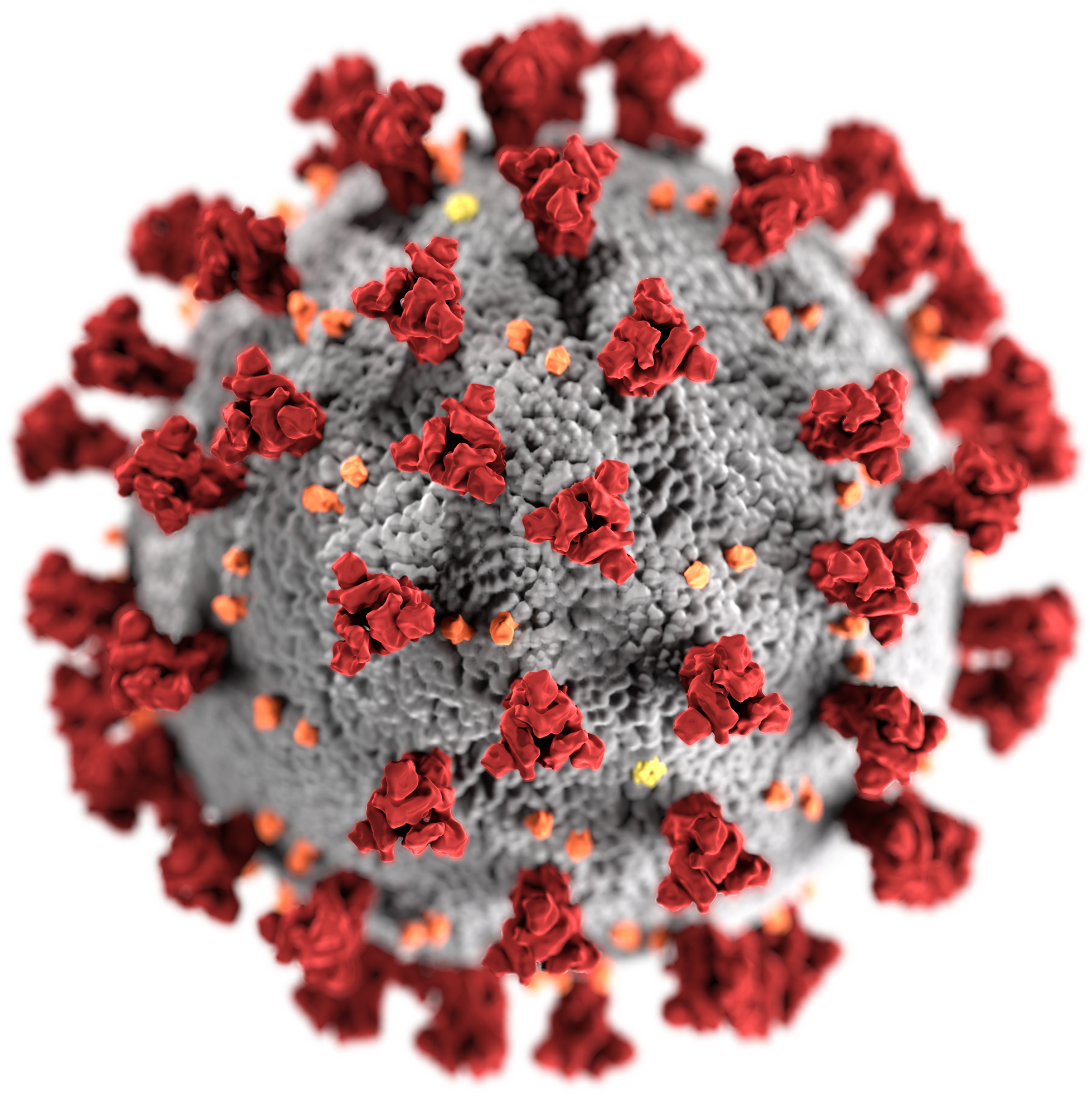
This highly magnified, digitally colorized transmission electron microscopic image reveals details of a single Middle East respiratory syndrome coronavirus, or MERS-CoV. It’s a relative of the novel coronavirus identified in 2019 in Wuhan, China. (Public domain image courtesy National Institute of Allergy and Infectious Diseases)
A Seattle-Tacoma airport traveler became ill last week with a confirmed case of the new virus that public health officials around the world are tracking. It raised flags for Alaska’s public health officials.
State epidemiologists are alerting the public and health care workers about what to watch for and what to do. Most of the advice is the same as for regular flu season.
“We’re watching very carefully to see how this infectious disease, this novel coronavirus, acts,” said Louisa Castrodale, an epidemiologist with the infectious disease program at the state Department of Health and Social Services. “Is it something that is acting similarly to the other novel coronaviruses that have happened? And hoping to pass that information on widely when new information is known.”
It’s novel, because it’s new. Or, at least, scientists just identified it in December. And it’s a “corona” virus because it has crowny spikes. It looks sort of like the sun.
Symptoms include cough, fever and trouble breathing, similar to other known coronaviruses that range from the common cold to SARS. This one is spreading from person to person, but it’s unclear how easily, according to the Centers for Disease Control and Prevention.
“Having it hit so close to home in Seattle — we’re only another plane ride away and I know there’s a lot of traffic, international, through Anchorage,” said Charlee Gribbon, infection preventionist at Bartlett Regional Hospital.
She’s getting updates from state and federal epidemiologists on the new virus. Gribbon said the risk of an outbreak in Alaska doesn’t change much for hospital visitors and employees. They’re taking the same precautions as they would during the flu season.
“The flu makes people sick, and it causes a lot of deaths over the year. So, I’m more concerned with keeping control over the flu,” she said.
That means giving masks to visitors who are coughing, keeping hands clean and isolating certain patients. Hospital staff have gear they can use ranging from basic masks to stuff that looks like a biohazard suit in the movies.
Some things have changed since the new outbreak.
“So we do ask everybody of their travel history,” she said. “There’s a whole long list of triage questions. Our nurses even ask if you’ve had a flu shot, so it’s quite intense. When you come in, you get a ton of questions.”
Suspected cases get reported to the state. Right now, only the CDC is able to test for it. So if the hospital suspected it had a case, they could collect things like spit or blood and send it to Atlanta for testing.
Gribbon said there’s regular staff training on how to handle a potential outbreak. That said, she only knew of one case at Bartlett that triggered a hospital response over and above business as usual. It was a little before her time at the hospital, during the 2003-2004 SARS scare. SARS was another respiratory virus that spread around the world and killed 774 people.
“Oh, it was quite an event,” said Jan Beauchamp, Bartlett’s infection preventionist at the time.
She remembered it was an elderly Canadian woman. She had a layover in a SARS hot spot in Toronto, on her way to an Alaska cruise.
“When she was on her way to Skagway, she became ill and they transferred her off the boat and to Bartlett hospital,” Beauchamp said.
Her fever, pneumonia-like symptoms and travel history fit what the CDC said to look for. When the CDC test results came back, it wasn’t SARS, Beauchamp said. So, Juneau didn’t have a SARS outbreak. Or an outbreak of whatever pneumonia-like bug the cruise ship passenger did have.
“We were in good shape when it all happened ‘cause that was my job. I was anticipating that eventuality could happen,” Beauchamp said. “And having so many people come visit us from all over the world and cruise ships in the summertime is you know, it’s always a potential public health situation. So we’re vigilant and cautious.”
A CDC team is in Washington state monitoring the case identified there, the first confirmed in the United States. Health officials identified him as a resident of Everett, Washington. He returned to the U.S. on Jan. 15. The CDC announced Friday it had confirmed a second travel-related case in the United States in Illinois.