An Ocean Beauty Seafoods sign in Naknek. (File/KDLG)
Two major Alaskan seafood processors have agreed to settle a class-action lawsuit alleging wage violations during the COVID-19 pandemic.
OBI Seafoods and Ocean Beauty Seafoods were ordered to pay a total of $2.1 million as part of a settlement approved last week by Judge Marsha J. Pechman in the U.S. District Court for the Western District of Washington.
The case, brought by former employees Marija and Dusan Paunovic on behalf of processing facility workers, accused the companies of delaying wage payments and underpaying workers during mandatory quarantine periods.
OBI has 10 facilities in the state and was formed in 2020 through a merger between Ocean Beauty and former Alaskan processor Icicle Seafoods. Ocean Beauty currently owns a stake in the company as part of the new ownership group.
In email correspondence with KDLG, OBI’s chief executive officer John Hanrahan said that all workers at the company’s processing facility in Naknek were paid a daily stipend during the quarantine period, and were provided with free housing, meals, and laundry services.
“OBI Seafoods values its employees, pays competitive wages, and complies with all federal, state, and local wage laws and regulations,” Hanrahan said.
The plaintiffs, however, contended that the stipend was insufficient for extended quarantine periods. They argued the companies failed to adequately compensate employees for time spent in isolation as required by Alaska’s Wage and Hour Act and the federal Fair Labor Standards Act.
As part of the settlement, each of the more than 2,300 class members will receive $536, with some payouts exceeding $3,100, after deductions for legal fees and administrative costs.
The agreement also includes $630,000 in attorney fees, $100,000 for litigation costs, and $20,000 in service awards for the two lead plaintiffs. Administrative costs of up to $32,000 will be deducted from the settlement fund. The remainder will be distributed pro rata based on workers’ quarantine periods and delayed wages.
According to court documents, the settlement financially covers roughly three-quarters of the damages cited by the lawsuit’s class members. A court website contains more information about the settlement for class members, as well as options to opt out of it.
Dr. Ashish Jha says the U.S. is seeing typically two COVID waves a year. (Justin Sullivan/Getty Images)
As much as we would all love to ignore COVID, a new set of variants that scientists call “FLiRT” is here to remind us that the virus is still with us.
The good news: as of last Friday, the CDC says that the amount of respiratory illness in the U.S. is low.
The not-so-great news: the U.S. has often flirted with summer COVID waves because of travel and air-conditioned gatherings.
Dr. Ashish Jha, the dean of the Brown University School of Public Health and former White House COVID-19 response coordinator, returned to All Things Considered to speak with host Ailsa Chang about what the new variants could bring.
Interview highlights
Ailsa Chang: So how concerned would you say scientists are about whether these FLiRT variants come with increased transmissibility or increased disease severity, compared to previous variants?
Ashish Jha: We’re seeing exactly what we have expected: The virus continues to evolve to try to escape the wall of immunity we have built up through vaccines and infections. Is this more transmissible? It is. That’s why it has become more dominant. But the really important question is, is it going to get people to become more sick than previous versions? And all the evidence right now we have is no. If you have been vaccinated, or you had previous infections – or you’re one of the majority of Americans who have had both – you are likely to have a mild infection and not get particularly sick. Obviously, we have to continue monitoring every new variant, but this is pretty expected.
Chang: Do you expect some sort of summer surge is on the way? And if so, do you have any advice for people who don’t want COVID to disrupt their summer plans, even if they get a mild infection?
Jha: Every summer since the beginning of this pandemic, we have seen a summer wave. And therefore, my expectation is we probably will get a summer wave. We spend a lot more time indoors in the summer – especially in the South, where it gets very hot – so we tend to see those waves to be a bit bigger down in the southern parts of the country. When I think about who’s at risk of having complications from these infections, it’s older Americans. It’s immunocompromised Americans. For them, the two big things are: first, making sure they’re up to date on their vaccines. Second, if they do get an infection, we have widely available treatments. Obviously, if you’re worried about getting infected at all, avoid crowded indoor spaces. You can wear a mask. Those things still work.
Chang: We’ve now had four and a half years to observe this virus as it has spread. I’m wondering what are some key patterns that you have seen over that time?
Jha: We are seeing pretty typically about two waves a year: one in the summer, one in the winter, all caused by ongoing evolution of the virus. We’re seeing the people who are landing in the hospital. There’s still a lot of people getting very sick from this. The other thing that’s worth thinking about is there’s always a chance that this virus could evolve in some very substantial way, so that it could really cause more disruption and more illness. We’ve got to continue monitoring and paying attention to that. I don’t expect that to happen. But if it does, we’ve got to be ready.
Chang: In the long run do you think we’ll be treating COVID much like we treat other seasonal respiratory illnesses? Like, there will be a new vaccine formulation every fall for expected seasonal surges and this is just what we are going to have to live with for the rest of time?
Jha: Yeah. The way I have thought about this is every year I go and get my flu shot. We have a new formulation. I will probably continue doing that for COVID. So I’m going to have flu and COVID shots. And at some point as I get older, I will probably need an RSV shot every year as well. It’s inconvenient. It can be a little bit annoying. But the bottom line is these are life-saving things and people should be doing them.
The Centers for Disease Control and Prevention estimates that up to 86% of new COVID-19 cases stem from the latest mutation, JN.1. The most recent COVID vaccines are expected to help lower chances of serious illness or hospitalization from JN.1. (Rogelio V. Solis/AP)
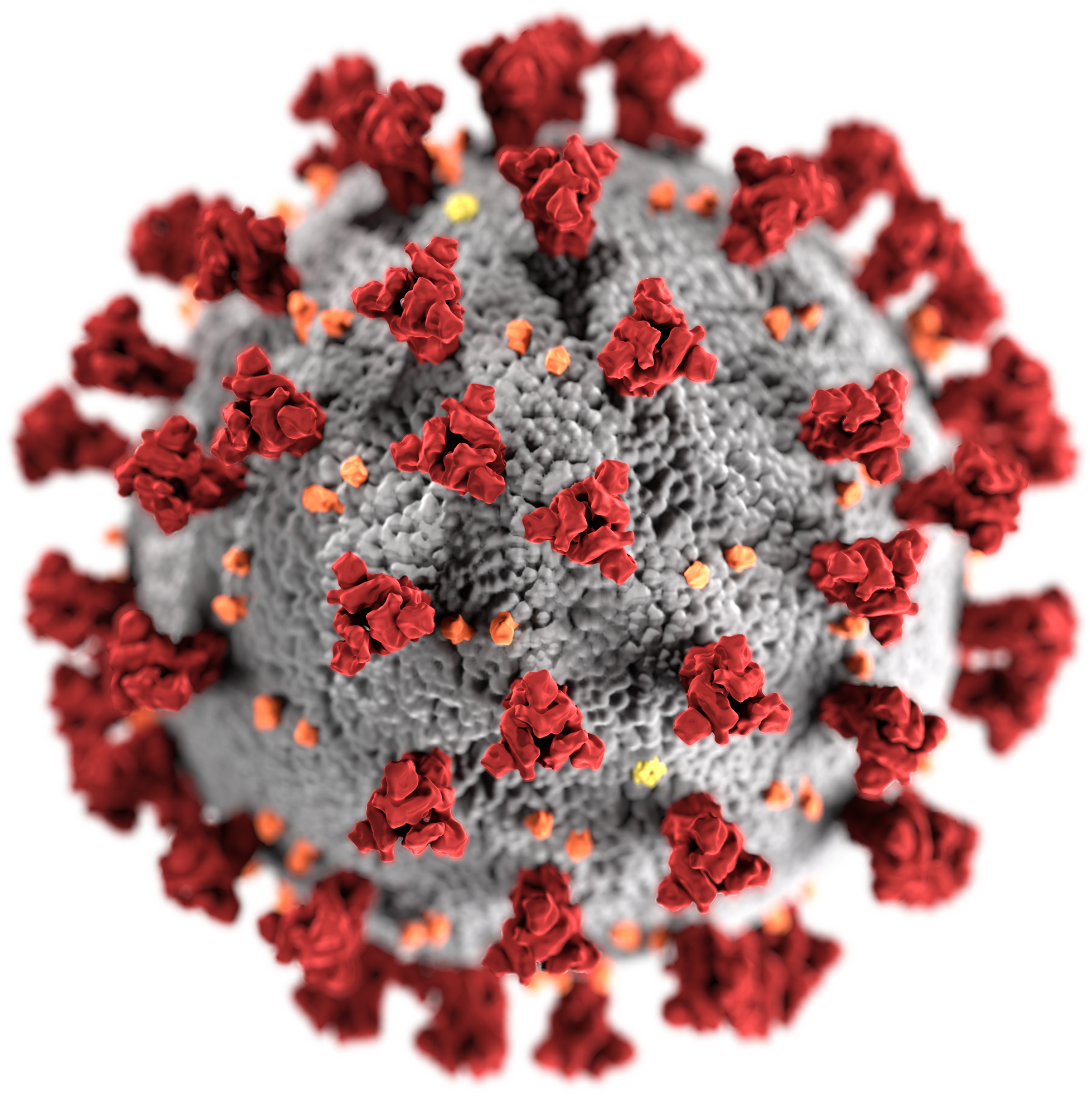
A new, fast-spreading variant of COVID-19 is sweeping across the nation, making it the most widely circulating iteration of the virus in the U.S. and around the world, according to the Centers for Disease Control and Prevention.
The mutation, called JN.1, is a subvariant of Omicron that was first detected by the World Health Organization in late August. At the time it appeared to be spreading slowly but as temperatures have dipped, JN.1 has spiked.
In mid-October, CDC data shows JN.1 made up about 0.1% of all COVID-19 cases around the country. As of Jan. 20, the CDC estimates that’s now up to approximately 86%.
“Most likely, if you’re getting COVID right now, you’re getting this particular variant mutation,” Eyal Oren, a director and professor of epidemiology at the School of Public Health at San Diego State University, told NPR.
Oren added that one of the reasons for the latest surge is that the virus continues to evolve so rapidly that “our immune systems have not been able to keep up.”
Another reason is that “not enough Americans are vaccinated,” according to the CDC. Earlier this month, only 11% of children and 21% of adults were reported to have received the updated COVID-19 vaccine. Meanwhile, only 40% of adults age 65 and older, which are the highest risk group, have gotten the updated vaccine in the last year.
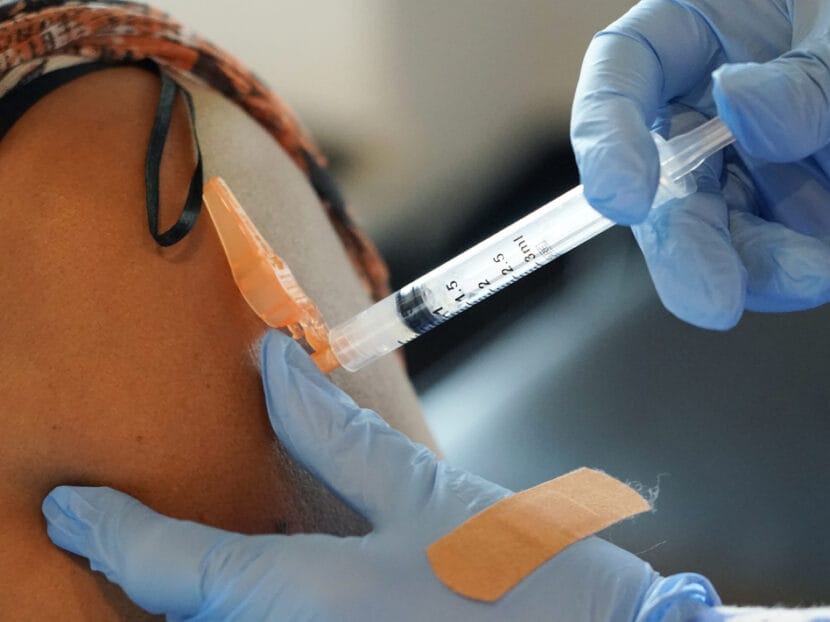
The CDC says COVID-19 vaccines can reduce severe illness and hospitalizations.
The low rates for COVD-19 vaccinations, along with those against influenza and respiratory syncytial virus (RSV), are of such great concern that the CDC issued an alert to health care workers last month. The combination of rising flu, RSV and COVID cases “could lead to more severe disease and increased healthcare capacity strain in the coming weeks,” the agency predicted.
People may be wrongly assuming that the current COVID booster won’t protect them from JN.1 or other new strains, Oren said. But the most recent vaccines from Pfizer-BioNTech, Moderna and Novavax are all expected to help lower chances of serious illness or hospitalization from JN.1.
What are the symptoms of JN.1?
CDC data indicates that this strain is no more severe than previous iterations, and the list of symptoms remains consistent with what they have been for COVID-19 in recent years: fever, chills, coughing, muscle aches, shortness of breath, sore throat, congestion, headaches, fatigue, and losing one’s taste or smell.
Oren noted that most of the list consists of ailments that could be confused with those caused by other viruses common during winter months, including the flu, RSV or the common cold.
“That’s why it’s so important to get vaccinated and to get tested [for COVID], particularly if someone is at higher risk of severe outcomes,” he said.
How to stay safe
Oren urged all people, but especially those in high-risk categories, to take precautions by wearing masks, avoiding crowded places, and washing their hands. “And if you’re sick stay home,” he said.
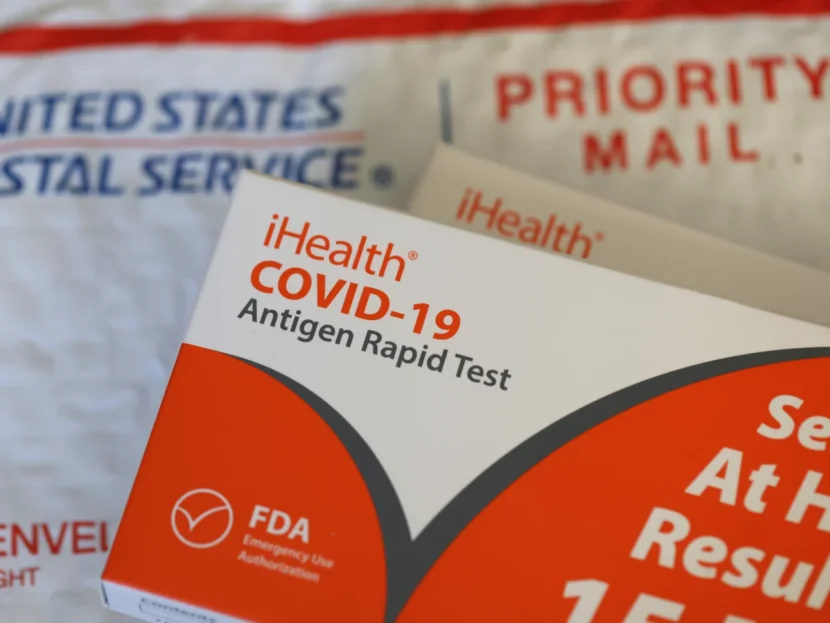
The federal government offers free rapid COVID-19 tests through the mail. Four free tests can be ordered at COVIDTests.gov and will be delivered by the U.S. Postal Service.
Copyright 2024 NPR. To see more, visit https://www.npr.org.
For patients with long COVID, exercise can lead to a worsening of symptoms, a condition called post-exertional malaise. New research shows what’s going on in their muscles. (Erik Isakson/Getty Images/Tetra images RF)
Hit the gym. Get back in shape.
That’s what many patients with long COVID are told when they talk of the crushing fatigue that envelops them after even a light bout of physical activity.
These symptoms of exhaustion, or post-exertional malaise as it’s called, are a hallmark of long COVID and similar complex illnesses like chronic fatigue syndrome or ME/CFS.
The idea that exercise can help patients has proven difficult to shake — despite evidence suggesting this isn’t merely a case of deconditioning that patients can overcome by pushing through the pain.
“I don’t think the messaging has been strong enough,” says David Putrino, the director of rehabilitation innovation for Mount Sinai Health System. “It is very clear that this is not a typical response to exercise.”
Now research published this month in Nature Communications gives new weight to this assessment.
By taking biopsies from long COVID patients before and after exercising, scientists in the Netherlands constructed a startling picture of widespread abnormalities in muscle tissue that may explain this severe reaction to physical activity.
Among the most striking findings were clear signs that the cellular power plants, the mitochondria, are compromised and the tissue starved for energy.
“We saw this immediately and it’s very profound,” says Braeden Charlton, one of the study’s authors at Vrije University in Amsterdam.
The tissue samples from long COVID patients also revealed severe muscle damage, a disturbed immune response, and a buildup of microclots.
“This is a very real disease,” says Charlton. “We see this at basically every parameter that we measure.”
Exercise tests reveal a cellular energy system gone wrong
Most people will get delayed onset muscle soreness after a tough workout, but post-exertional malaise is a different animal altogether.
“It’s not just soreness,” says Charlton. “For a lot of people, it’s completely debilitating for days to weeks.”
While symptoms vary, the most common tend to be muscle pain, an increase in fatigue, and cognitive problems, usually referred to as “brain fog,” that last up to a week after physical exertion.
The study, based at Vrije and Amsterdam UMC health center, compared 25 people with long COVID to healthy controls who’d fully recovered from COVID-19 and had no persistent symptoms. Both groups were asked to work out for about 10-15 minutes on a stationary bike, until gradually reaching their maximum aerobic capacity.
Researchers took multiple blood draws and collected two muscle biopsies from their thighs, a week before they exercised and a day after.
“Their baseline was already impaired and that dropped even lower with the maximal exercise,” says Charlton.
As seen in other long COVID studies, the problem wasn’t related to how their lungs or heart were functioning. Instead, something was making it hard for the muscle to take up the oxygen in the blood.
Using a technique called respirometry, the Dutch researchers oversupplied oxygen to the muscle tissue and found evidence the mitochondria weren’t functioning properly
Further tests revealed more clues
Metabolites in the blood related to energy production were also severely reduced in long COVID patients. And they started producing lactate, a fuel of “last resort” for cells, much sooner during exercise than those who were healthy, yet another sign that their cellular energy system had gone awry.
“The mitochondria are operating at a severely reduced capacity compared to healthy people,” says Charlton.
Taken together, the results support the hypothesis that mitochondrial dysfunction plays a role in long COVID symptoms like fatigue and post-exertional malaise, says Dr. David Systrom, a physician at Harvard Medical School and Brigham and Women’s Hospital.
“They were able to link symptoms to these organic changes,” he says. “I was impressed by that.”
In his own research, Systrom has found evidence of abnormal oxygen uptake by the skeletal muscles during peak exercise in both long COVID and ME/CFS patients, which indicates there’s a problem with oxygen delivery to the mitochondria.
Meanwhile, the Dutch study suggests there could be “intrinsic dysfunction” of the mitochondria’s ability to produce energy, he says.
Systrom says it’s possible both could be happening in long COVID patients. “There may be two ends of that spectrum,” he says. “That’s really something future work will have to look at.”
Biopsies carry clear signs of muscle damage
The story doesn’t end with mitochondria, either.
The muscle biopsies taken after the exercise test revealed other troubling events.
“They end up having a lot more muscle damage than a healthy person would have,” says Charlton. “And because their maximal capacity is now also lower, they have that damage happening at a sooner point.”
A close look at the muscle tissue showed long COVID patients had more atrophy — shrinking of the fibers — than the healthy controls. There were also “immense amounts” of cell death, or “necrosis,” which happens when immune cells infiltrate and degrade the tissue, he says.
The data hints at some kind of altered immune response to exercise in post-exertional malaise.
“It’s not just the functionality of their muscles, but the way that their immune system is receiving that exercise signal,” says Charlton.
The tissue-level analysis of defects in the muscle is “striking” and may help explain the pain, fatigue and weakness that patients experience, says Akiko Iwasaki, a professor of immunobiology at Yale University, who was not involved in the research.
The additional finding that T cells — part of the immune system’s arsenal — had infiltrated the muscles of long COVID patients also caught Iwasaki’s attention, possibly indicating “an autoimmune response within the muscle cells.”
“In the healthy muscle, they find very few, if any T cells,” she says.
Microclots portend big problems for blood vessels
The deep dive into muscle tissue also turned up another increasingly familiar character in long COVID pathology — microclots.
The researchers found these were heavily elevated in those with symptoms — a feature that only got worse following exercise.
Researchers in South Africa have zeroed in on these microclots that carry “trapped inflammatory molecules” as an indication of patients’ compromised vasculature.
In the Dutch study, there wasn’t evidence that microclots were blocking the tiny blood vessels, which was one hypothesis. Instead, they were lodged in the tissue.
The implications of this finding are potentially huge, says Resia Pretorius, a professor of physiological sciences at Stellenbosch University in South Africa, who was not involved in the present study.
“That means the microclots can actually have traveled through the damaged vasculature into the muscle,” she says. “What is scary, but possibly very significant, is that this might be happening in other tissues as well.”
In this scenario, the microclots could reflect the extent of damage to the lining of the blood vessels, which would also impair the delivery of oxygen to the muscle tissue.
If the vasculature is “totally shot,” Pretorius says the “mitochondria will be massively affected,” although more work needs to be done before drawing definitive conclusions.
The underlying causes of long COVID remain elusive; however, one leading theory is that an ongoing chronic infection could be driving the downstream consequences.
The researchers probed this hypothesis. They found evidence of viral proteins from SARS-CoV-2 in the muscle tissue, but no difference emerged between the long COVID group and the controls, leading them to conclude these are viral leftovers that don’t necessarily figure into post-exertional malaise.
Experts warn that exercise can “harm” and other approaches are needed
The role of exercise in treating post-exertional malaise remains “intensely controversial,” says Harvard’s Systrom, who has studied exercise in the context of other complex chronic illnesses like ME/CFS.
“Post-exertional malaise is a unique symptom in these disorders and is not a feature of deconditioning,” he says. “You cannot simply ask these patients to go to the gym and fix the problem.”
Long COVID is itself an umbrella term that encompasses a wide range of symptoms that may have different underlying causes.
Systrom says it’s possible a subset of these patients may benefit more than others from gradual exercise, especially after successful medical treatment has been first established.
In their study, Charlton says they looked at other research to verify that what they observed did not stem from physical inactivity. He also notes that the long COVID patients who were enrolled were not bedridden and had an average of 4,000 steps a day.
Putrino at Mount Sinai considers the study a much-needed wake-up call for the broader medical field — clear evidence of a biological basis for the energy crash and onslaught of symptoms that patients with long COVID and similar conditions experience.
“As opposed to what’s been sold to patients over the last few decades, that symptoms such as extreme fatigue and exertional malaise are psychological or physical conditioning issues,” he says. “Physical exertion does harm to the bodies of people with these illnesses.“
His general guidance is to avoid exercise if you have post-exertional malaise and instead practice “energy conservation.”
Whereas the aim of exercise is to improve cardiovascular fitness — something he might recommend to patients who’re recovering after severe pneumonia — this type of rehabilitation is done at a much lower intensity and duration, and it takes into account post-exertional malaise.
“We need to step out of this erroneous mindset of no pain, no gain,” he says.
Copyright 2024 NPR. To see more, visit https://www.npr.org.
After holiday shopping and celebrations, cases of respiratory illness are on the rise across the United States. (Bloomberg via Getty Images)
In most U.S. states, respiratory illness levels are currently considered “high” or “very high,” according to data from the Centers for Disease Control and Prevention.
A few respiratory viruses have been driving the upward trend. “The influenza virus is the thing that’s really skyrocketing right now,” says Dr. Steven Stack, public health commissioner for the state of Kentucky and president of the Association of State and Territorial Health Officials. “Influenza is sharply escalating and driving more hospitalizations.”
Nationally, levels of respiratory syncytial virus (RSV) appear to have plateaued and possibly peaked, while COVID-19 levels are elevated and are expected to climb higher.
“After the holidays, after we’ve traveled and gathered, we are seeing what is pretty typical of this time of year, which is a lot of respiratory viruses,” says Dr. Mandy Cohen, director of the CDC. “We’re seeing particularly high circulation in the southeast, but no part of the country is spared.”
Staggered start for viruses this season
The flu is coming in later this season, compared with the 2022-2023 season, when “RSV and flu really took off right at the same time along with COVID,” says Marlene Wolfe, assistant professor of environmental health at Emory University and a program director at WastewaterScan. “All three of those together were pretty nasty. This year, there’s more of an offset.”
That has been good news so far for hospital capacity, which has remained stable this season, meaning that people who are quite ill and need medical care are generally able to get it.
Some hospitals in different parts of the country — from Massachusetts to Illinois to California — are starting to require masks for staff again and in some cases for patients and visitors.
Vaccines can still help
Health officials say that getting the latest flu and COVID-19 vaccines now can still protect people this season. While Stack, with Kentucky’s Department for Public Health, encourages seasonal preventive shots for everyone 6 months and older, he says it’s particularly important for “everybody who is elderly — and not even old elderly — like young elderly, 60 and older,” since they are more likely to get very sick from these viruses.
CDC data shows that fewer than half of U.S. adults have gotten a flu shot this fall and winter. That’s still better than the vaccination rate for this season’s COVID-19 booster, which fewer than 20% of U.S. adults have gotten, even though COVID-19 remains the bigger danger.
“The thing that is putting folks into the hospital and unfortunately taking their lives — the virus that is still the most severe [at the moment] — is the COVID virus,” says the CDC’s Cohen, citing the latest weekly data showing 29,000 new COVID-19 hospitalizations and 1,200 COVID-19 deaths in the United States.
Beyond vaccines, health officials say there’s still a place for masking as a preventive measure.
Early testing can aid treatment
Those who are sick should stay home and watch their symptoms. If they progress beyond a runny nose and a light cough “to body aches, fevers, difficulty moving through your day, a heavier runny nose, a worsening cough … [those more severe symptoms] should trigger you to go get tested,” says Cohen.
Getting tested and diagnosed early, with COVID-19 or the flu, can help those at risk of serious illness get access to prescription pills that can reduce their chances of ending up in the hospital.
Flu and COVID-19 vaccines, tests and treatments should be covered by health insurance.
For those who are uninsured, the government is also offering a program called Test to Treat that offers free tests, free telehealth appointments and free treatments at home.
Cohen says people can protect themselves over the next few weeks by staying aware of what’s happening in the community and their individual circumstances. “You want to know what’s happening in your community,” she says. “Is there a lot of virus circulating? And then, what are the tools that I could layer on to protect myself, depending on who I am, my age, my risk, as well as who I’m around?”
The CDC has maps of COVID-19 hospitalizations down to the county level on its website, and it provides weekly updates on respiratory viruses nationwide. Cohen says there are many tools — including vaccines, masks, rapid tests and treatments — available to help people reduce their risks this season.
Copyright 2024 NPR. To see more, visit https://www.npr.org.
Flu and COVID-19 vaccinations are now available across the U.S., including at this CVS pharmacy in Palatine, Illinois. (Nam Y. Huh/AP)
As the weather cools down, health officials are gearing up for a new season of sickness. It’s the time for gathering indoors and spreading respiratory viruses.
So what is brewing in the viral stew?
There’s the big three to start: the flu, respiratory syncytial virus (RSV) and COVID-19. “These are the three that cause the most utilization of the health care system and the most severe disease,” says Dr. Demetre Daskalakis, acting director of the Centers for Disease Control and Prevention’s National Center for Immunization and Respiratory Diseases.
Last year, 40% of U.S. households were hit with at least one of these viruses, according to a survey from KFF, a nonprofit health policy research group.
There are parainfluenzas — in a different family from flu-causing influenzas — which can cause croup and pneumonia in children. And there’s enterovirus D68, which caused a national respiratory illness outbreak in 2014.
There’s also human metapneumovirus, a relatively new virus first identified in 2001. It’s in the same family as RSV and has similar symptoms.
Wastewater data reveals a fuller viral picture
Wolfe says that data from a wastewater study showed that human metapneumovirus circulated a lot last winter. In California, where the samples were collected, it could have been a fourth virus added to the tripledemic mix.
Wolfe co-leads WastewaterScan, a program that provides a granular, real-time look at circulating pathogens, based on testing wastewater samples from around the United States.
A lot of these viruses have the same cold- and flu-like symptoms: coughing, sneezing, aches, fevers, chills. These infections may not lead to doctor’s visits, but they cause sickness and misery. Analyzing wastewater data, collected from community-level sewage plants, means researchers are starting to see the full picture of what’s circulating.
That means data comes in “even from people who are just mildly sick and sipping tea at home,” Wolfe says. The wastewater information helps show how these different viruses intersect, Wolfe says.
Knowing what’s circulating locally could help health care workers and hospital systems plan for surges. “If you have multiple of these viruses [surging] at the same time, that could be worse for individuals and worse for the systems that are trying to take care of them,” she says.
That means it’s a good time to get protected, says Daskalakis, of the CDC. “We can attenuate the level of disease, make it less severe through vaccination,” he says, describing the effect of the vaccines as “taming” the disease, “turning a lion into a little pussycat.”
This season, updated COVID-19 and flu vaccines are available for those age 6 months and up. For RSV, there are vaccines for older people and pregnant people, and preventive shots for newborns.
There may not be medical interventions for the other winter viruses, but “we have really good commonsense strategies” to help prevent them, Daskalakis says, including good ventilation, washing your hands, covering your sneezes and coughs and staying home when sick to reduce the chances of passing on illnesses.
The CDC expects hospitalizations during the 2023-2024 viral season to be similar to last year — better than the height of the COVID-19 pandemic, but worse than the years before it. Still, hospitals could be in trouble if these viruses all peak at once. The CDC says vaccines — as well as collective common sense — can help keep those levels down.
Copyright 2023 NPR. To see more, visit https://www.npr.org.
Close
Update notification options
Subscribe to notifications
Subscribe
Get notifications about news related to the topics you care about. You can unsubscribe anytime.


9(MDEwMjQ0ODM1MDEzNDk4MTEzNjU3NTRhYg004))

9(MDEwMjQ0ODM1MDEzNDk4MTEzNjU3NTRhYg004))

9(MDEwMjQ0ODM1MDEzNDk4MTEzNjU3NTRhYg004))

9(MDEwMjQ0ODM1MDEzNDk4MTEzNjU3NTRhYg004))