
Juneau’s 2026 municipal election is fast approaching. Alongside candidates for Juneau Assembly and school board, there are three ballot propositions.
Proposition A — 3% temporary sales tax renewal
Ballot Proposition A asks voters whether to renew a 3% temporary sales tax in Juneau.
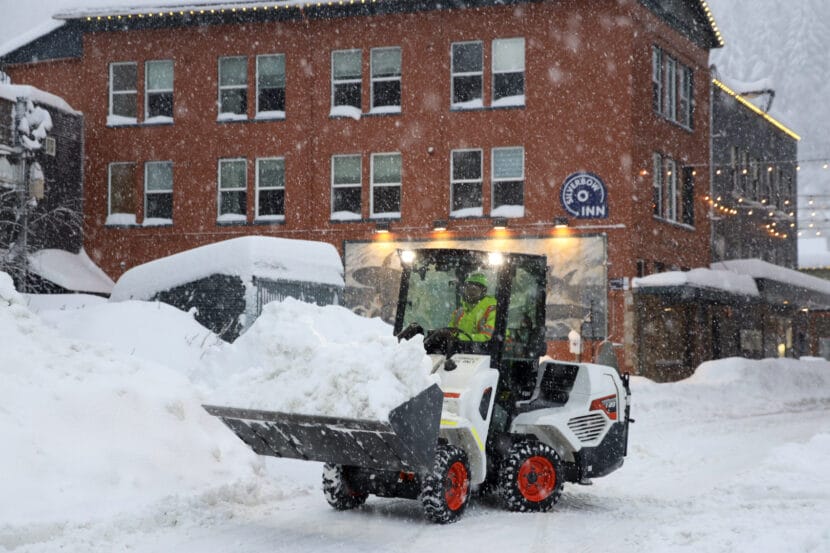
Right now, Juneau charges 5% in local sales tax. Of that, 3% is a temporary tax. The money collected from it goes toward numerous city services, like police and fire, street maintenance and snow removal, and general government operations.
Christine Woll is a longtime Juneau Assembly member and chairs its finance committee.
“When you go and purchase clothing or a gift or furniture in Juneau, you pay a 5% sales tax,” she said. “Three of that gets renewed every five years by the voters, so this year it’s up, and so we’ll have an opportunity to renew that 3%.”
Though it’s considered temporary, the tax has actually been in place for more than four decades, since 1983. Woll said the 3% tax plays a critical role in keeping the city functioning and providing services people expect.
“About $34 million a year in revenue is made up by that 3%, so a pretty sizable chunk of our general operating budget for the city,” she said.
If it doesn’t renew, Woll said Juneau could find itself in deep financial trouble.
“That would be somewhere between a third and a quarter of our entire city budget would be reduced as a result of that,” she said.
The two other propositions on the ballot were put there by residents. The propositions aim to support recreation in Juneau and generate revenue for the city. That’s as the city struggles to maintain current services following a reduction in revenue after tax cuts last election.
Proposition B — Raising the property tax rate cap
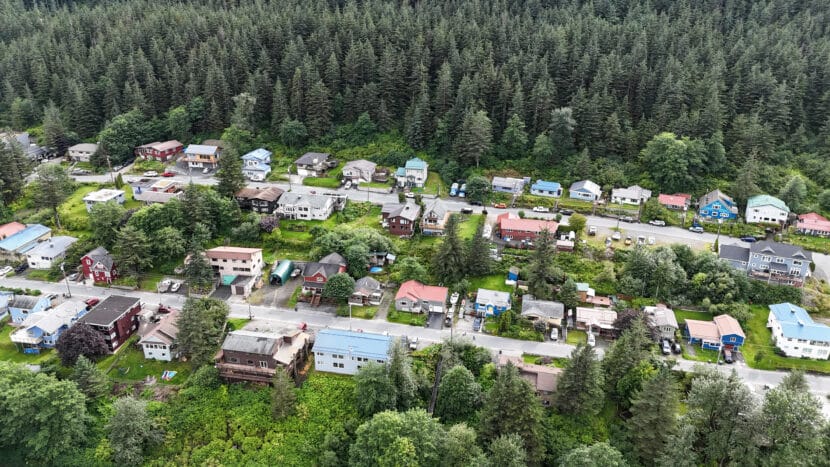
Ballot Proposition B asks voters whether to reverse a tax cut passed last election that lowered the cap on the local property tax rate, also known as the mill rate. If the voters approve Proposition B this election, it would restore Juneau’s mill rate cap from 9 mills back to 12 mills, the amount it was before the last election. One mill is equal to $1 per $1000 in property value.
Pat Race is a local artist and business owner. He helped get the question on the ballot. He said Proposition B was prompted after the Assembly proposed cutting city services during its recent budget cycle.
“We’re just going to go back to that cap. That’s our goal: to just put the cap back the way it was,” he said. “We had a nice stable tax regime for 25-some odd years, and we just want to put it back the way it was.”
Race said having a higher cap on the mill rate allows the Assembly more flexibility to respond to emergencies or other changes in funding.
“Raising the mill rate cap to 12 doesn’t mean the mill rate will be 12 tomorrow. It just means that the city now has more latitude and more headroom to work with,” he said.
He also argued the tax cut only benefits property owners. According to census data, more than a third of Juneau households are renters, and landlords have no legal obligation to pass any savings from the change last year on to their tenants.
Proposition C — 1% seasonal sales tax for recreational facilities
Ballot Proposition C asks voters whether to approve a 1% seasonal sales tax intended to boost funding for the city’s recreational facilities and programs. Last election, voters shot down a different and more drastic seasonal sales tax proposal.
“It’s about quality of life,” said Michael Cole, one of the residents behind the proposition.
Cole is a dad, a longtime resident and works at Eaglecrest Ski Area. He called his family super-users of the city’s recreation facilities.
“It’s all about, just (a) healthy release for our locals, and it’s not just our youth,” he said. “It’s our senior citizens. It’s just about everybody — in one way or another, uses an outdoor or a recreational facility.”
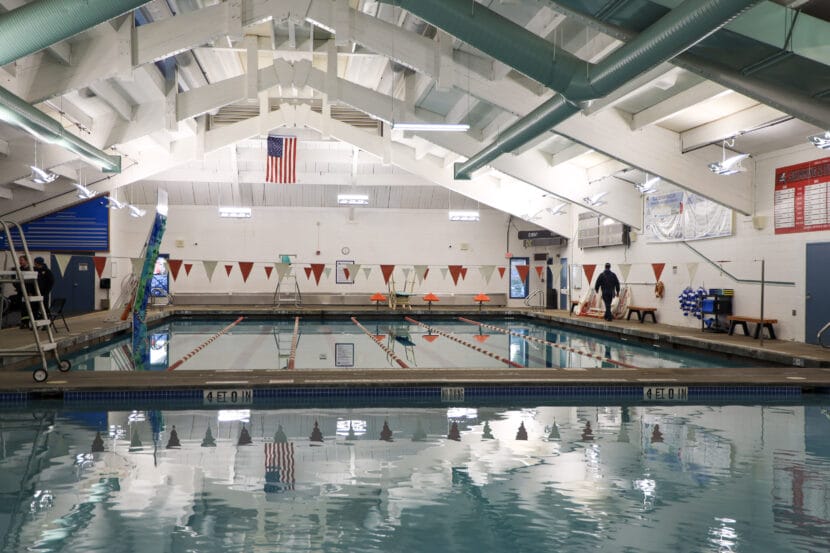
The proposed seasonal sales tax would be in place during the tourism season from April 1 to Sept. 30. Cole said it’s intended to help fund city facilities, like Juneau’s two pools, Dimond Park Field House, Treadwell Ice Area and Eaglecrest Ski Area. This spring, the Juneau Assembly considered closing some facilities due to a budget crisis.
“We can’t have any of this stuff close,” he said. “If it does, it’s going to have some negative impacts on our city and in our community as a whole.”
According to city tax data estimates, the proposition could bring in at least $6.8 million in revenue to the city annually – about half would come from tourists, and the other half from residents. But how and where that money gets spent will be up to the Assembly.

Not everyone agrees
Angela Rodell is the former treasurer of the Affordable Juneau Coalition, an advocacy group that put tax cuts on the ballot last year. The group disbanded after that election, but Rodell remains active in local politics. This election, Rodell said she opposes both ballot propositions B and C.
“I don’t think we should be making fiscal policy every year at the ballot box,” she said.
Rodell argues the propositions are reactionary to proposed service cuts and facility closures by the Assembly this spring that ultimately didn’t happen.
“There was a bit of a bait and switch,” she said. “There was a lot of fear-mongering that Treadwell Rink was going to close. The pools were going to close. Diamond Field House was going away. None of that happened.”
She argues voters should vote down both measures to allow more time to fully understand the ramifications of last year’s tax cuts. Rodell said she is, however, in support of Ballot Proposition A.
Along with the three propositions on the ballot are three open Juneau Assembly seats and two open school board seats. The last day to vote in Juneau’s by-mail election is Tuesday, Oct. 6.
