Nineteen people died in Alaska while recreationally boating in 2016, according to a Coast Guard report released last month. That’s up from just 7 in 2015.
Four of those deaths were in Southeast Alaska, including one near Ketchikan.
Coast Guard Rear Adm. Michael McAllister commands the 17th District, which covers Alaska.
In an interview for A Juneau Afternoon, he urged recreational boaters to be prepared before going out on the water.
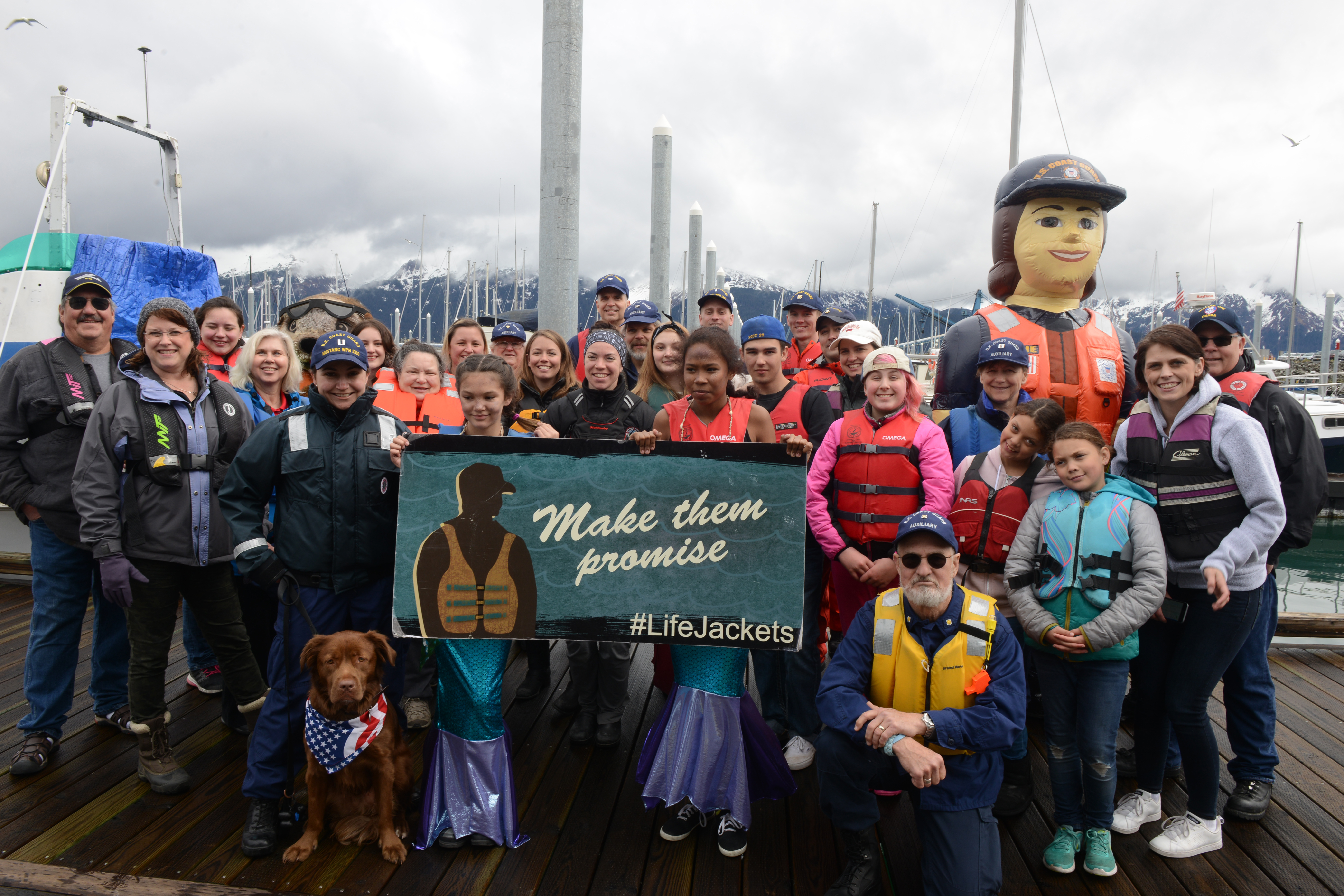
“What I would urge people who head out on the water to do is to first bring and wear your life jackets,” he said. “On an overall nationwide perspective, that has probably the single most important thing to reduce the number of fatalities on the water.”
That’s something the guy who tried to paddle across Gastineau Channel in a homemade, duct-taped inflatable last week didn’t do. The Coast Guard picked him up when he started taking on water.
McAllister said the incident was unusual for the Coast Guard.
“There is a independent nature to a lot of Alaskans, and we would just ask that before people set off in new types of adventures, in new types of vessels, that they contact their local Coast Guard office,” he said. “We’re happy to work with people before they set out on those voyages to ensure that they’re going to be able to make that voyage safely.”
McAllister also recommends carrying a communication device, ideally a VHF radio, and to communicate a trip plan with someone who can call the Coast Guard if a check-in is missed.
Wearing the right gear can also increase the chance of surviving if you’re stranded in the water.
Alcohol was the “lead known contributing factor” of boating accidents in the U.S., the report said. Booze was cited as a contributing factor in one of the Alaska fatalities.
Correction: A previous version misspelled the name of Coast Guard Rear Admiral Michael McAllister. The story has been corrected.