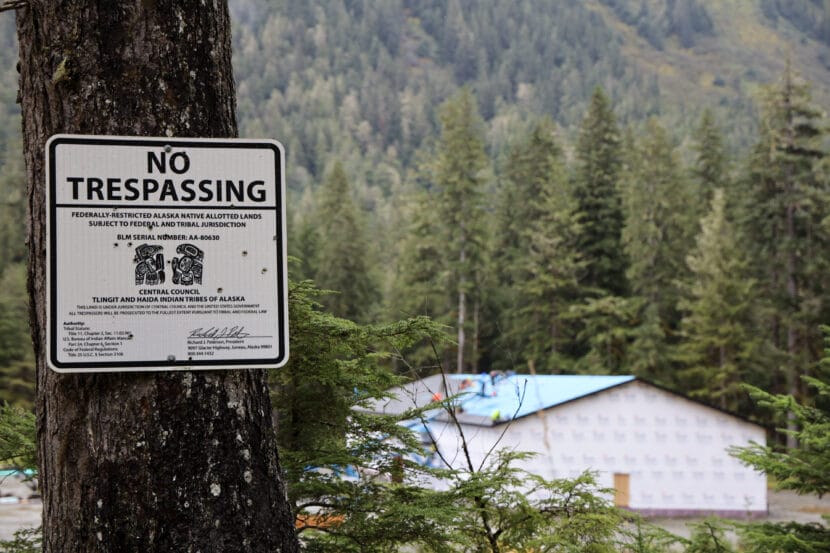
The Central Council of the Tlingit and Haida Indian Tribes of Alaska’s plan to open a casino-like gambling hall on Douglas Island may be in jeopardy.
That’s after the U.S. Department of the Interior withdrew a legal opinion that gave Tlingit and Haida — and other tribes in Alaska — legal jurisdiction over Alaska Native allotments.
On Thursday, the U.S. Department of the Interior withdrew a Biden Administration decision that allowed tribes in Alaska to hold jurisdiction over Native allotments in the state.
The National Indian Gaming Commission approved Tlingit and Haida’s proposal for a gaming hall on Douglas Island in January — just days before President Donald Trump began his second term in office.
The land is a small parcel on Fish Creek Road, just a short drive from Eaglecrest Ski Area. It’s owned by tribal members who lease it to Tlingit and Haida. Rumors of the tribe developing something on that property have circulated for years.
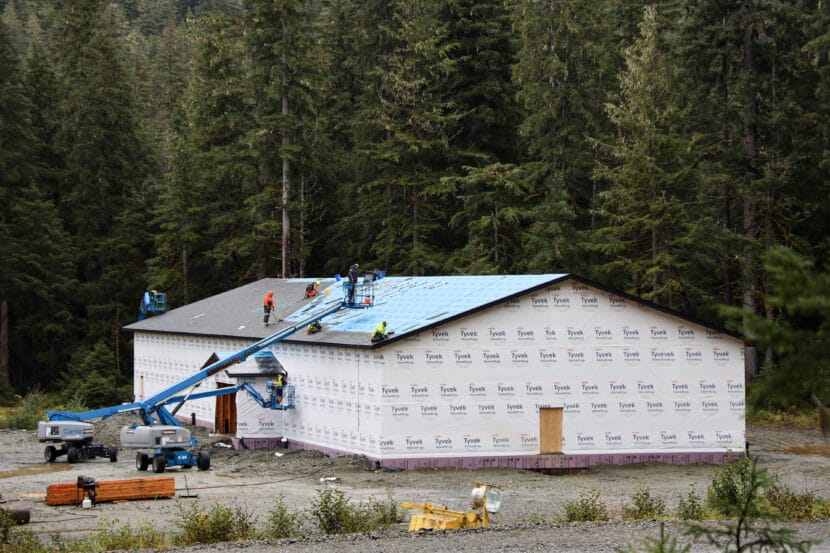
Last month, Tlingit and Haida confirmed its plans to open the gambling hall. Construction is already underway. The tribe says the facility would be a step toward economic self-sufficiency and sovereignty.
Very few tribes in Alaska have authority over land, so they haven’t had a way to open reservation-style casinos like tribes in the Lower 48. Many, like Tlingit and Haida, have sought to assert authority over Native allotments owned by individual tribal members.
But following Thursday’s withdrawal, it’s unclear if the tribe will be able to open the gambling hall after all.
The withdrawal is a return to decades of precedent. Federal and state officials in Alaska have long said that land allotments given to individual tribal members in Alaska were not considered “Indian country.” Therefore, they are not under tribal jurisdiction and cannot be home to federally regulated gaming halls.
But that opinion was briefly reversed during the Biden Administration when the Interior Department Solicitor released a legal opinion that expanded tribal jurisdiction in Alaska. That opinion is what provided an avenue for tribes like Tlingit and Haida to move forward with gambling halls.
In a statement on Monday, Tlingit and Haida spokesperson Dixie Hutchinson said the tribe anticipated the action and remains “committed to exercising our Tribal sovereignty to preserve sovereignty, enhance economic and cultural resources and promote self-sufficiency and self-governance for Tribal citizens.”
Other tribes in Alaska, like the Native Village of Eklutna, had also begun to take advantage of the Biden-era ruling. In February, Eklutna opened a gaming hall on a Native allotment near Anchorage. But the State of Alaska filed a lawsuit to shut it down just days after it opened, arguing that the state still maintains primary jurisdiction over Native allotments.
In a statement on Friday, Alaska’s new Attorney General Stephen Cox applauded the federal action. He said it “restores the jurisdictional balance Congress intended and courts have repeatedly affirmed.”
According to the withdrawal memo, Tlingit and Haida’s approval for gaming from the National Indian Gaming Commission in January needs to be reevaluated in accordance with the revocation.