
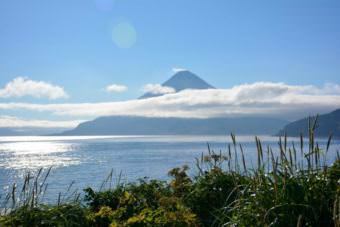
Scientists at the Alaska Volcano Observatory observed that a new lava dome formed in the summit crater over the weekend, and lava is trickling out. The dome is about 4,200 square meters, a little smaller than 10 NBA basketball courts.
"Alaska Volcano Observatory"
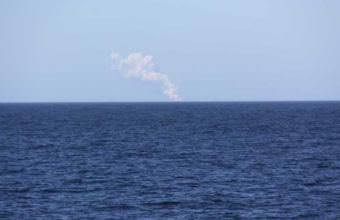
Three Alaska Peninsula volcanoes are restless
Bogoslof volcano has a new lava dome. Cleveland volcano continues to put up ash and extrude lava, and the alert level for Pavlof volcano was raised to “advisory.”
Is Bogoslof Volcano done erupting?
Bogoslof Volcano is back at a low-level “advisory” for the first time since it began erupting more than three months ago. The Alaska Volcano Observatory downgraded Bogoslof’s alert level Wednesday, bringing it just one notch above “normal.”
Alert levels lowered for Bogoslof and Cleveland volcanoes
Bogoslof is back at the intermediate “watch” level, following a powerful eruption Tuesday night. Cleveland Volcano — 45 miles west of Nikolski — has been quiet since a small eruption last month.

After Bogoslof eruption, Sen. Murkowski renews push for enhanced volcano monitoring
This is not the first time Sen. Murkowski has introduced legislation to enhance volcano monitoring. It’s the fourth.
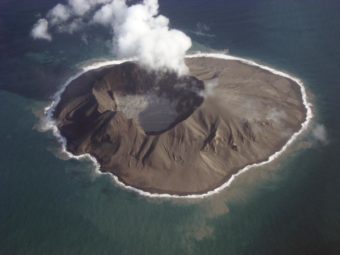
From the ashes: Life returns to Kasatochi volcano
Nearly every year since Kasatochi erupted, scientists have returned to study how ecosystems respond to cataclysmic destruction.
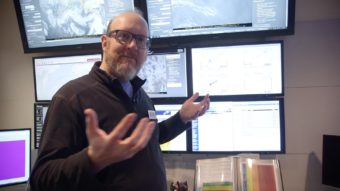
At a safe distance: Monitoring remote volcanoes from remote locations
How do researchers monitor Alaska’s most active volcanoes from afar? Technology has gotten to the point where the crew can do most monitoring from anywhere, even from home.
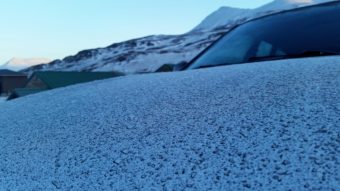
Volcanic ash falls on Unalaska in Bogoslof’s longest eruption yet
After more than two dozen explosions, Bogoslof Volcano has finally dropped ash on Unalaska. In its longest eruption since activity began six weeks ago, the volcano dusted the island with less than a millimeter of ash Monday night and produced a strong sulfurous smell.
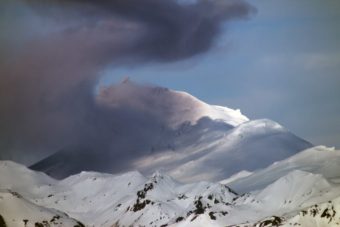
Aviation threat level bumped up for Alaska’s Pavlof Volcano
The volcano has erupted more than 40 times since record-keeping began in the late 1700s.
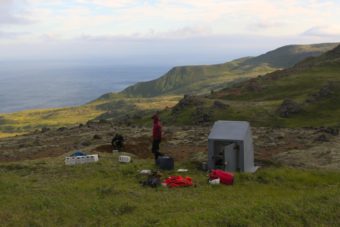
Who do you call to fix failing earthquake monitors? Volcano scientists.
A backlog of deferred maintenance and a lack of funding, coupled with the extreme environment, have caused some of the seismic monitoring stations to quit working over the past several years.