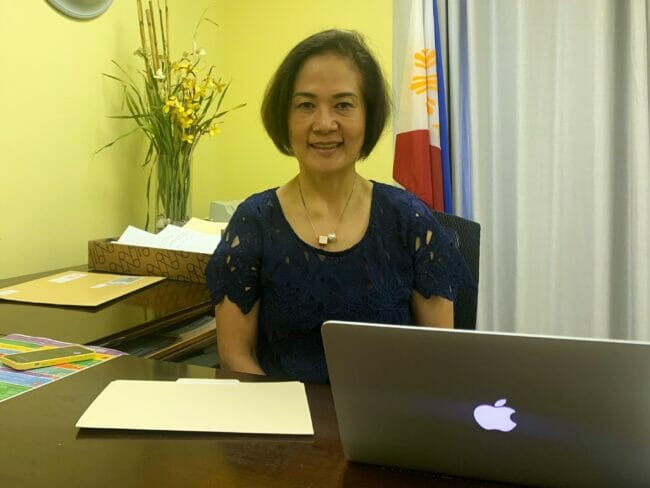
“Filipinos, by nature, are very adaptable people,” Phillipine Honorary Consul for Alaska Rebecca Carrillo says in episode two of Mga Kuwento. “Our … collective goal, mostly, is to work and provide for our families. Those were the driving forces that propel us to pursue this proverbial American dream.”
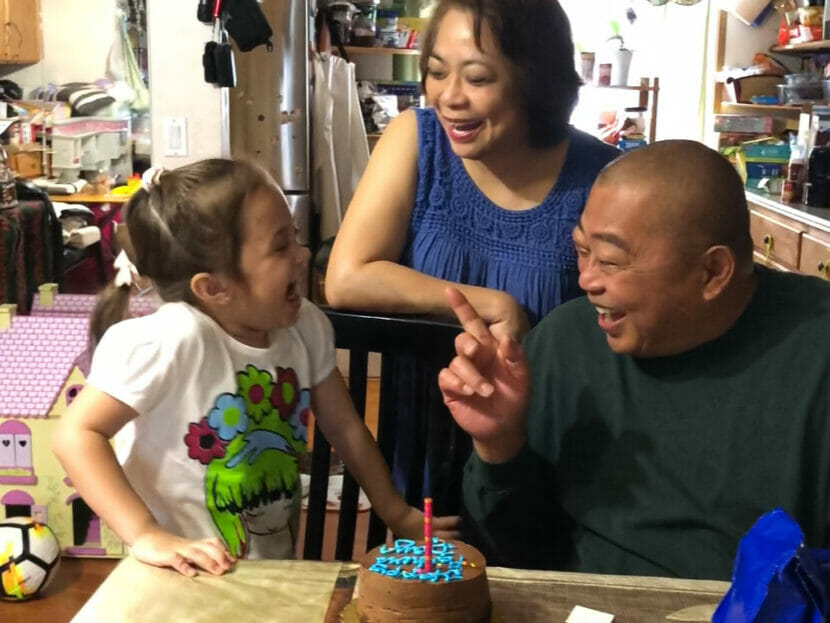
That force still drives many Filipino workers in Juneau, including families like the Roldans.
Rodini Roldan says the desire to support his family drove him to work hard. His wife worked night shifts as a nurse when their kids were little.
He worked hard, too, for 20 years in the Alaska Marine Highway system. His family motivated him as he worked his way up.
“Started on the bottom, entry level, like cleaning the toilet, dishwashing pots and pans, and then tried to move up to the deck department,” he says.
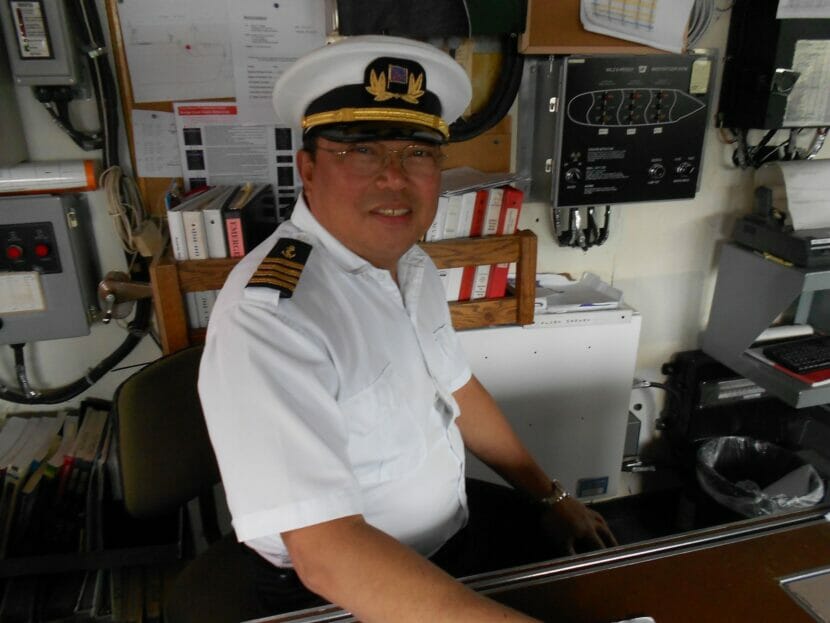
Rodini eventually became captain of the MV Matanuska, a ferry in the Alaska Marine Highway System.
His cousin Rex Roldan had a similar progressions, retiring as a chief steward in 2014. Throughout his time in the ferry system, he was surrounded by people who also felt like family.
But as we learn in the second episode of Mga Kuwento, that wasn’t the case when Filipino workers first came to work in canneries, mines and aboard vessels of all kinds.
As reporter Katie Anastas explains, a variety of forces have made labor one of the top reasons why Filipinos come to Alaska. And, the desire to provide for themselves and their loved ones has driven Filipino migrants to make a lasting impact on so many of Juneau’s industries today.