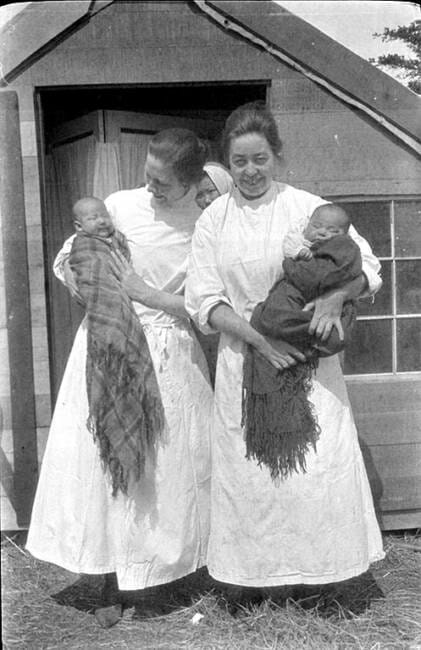
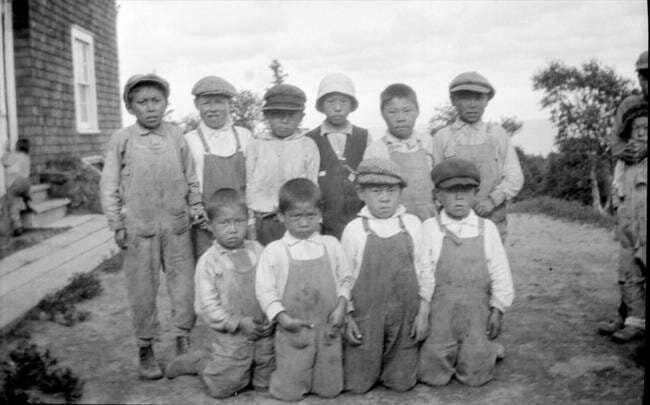
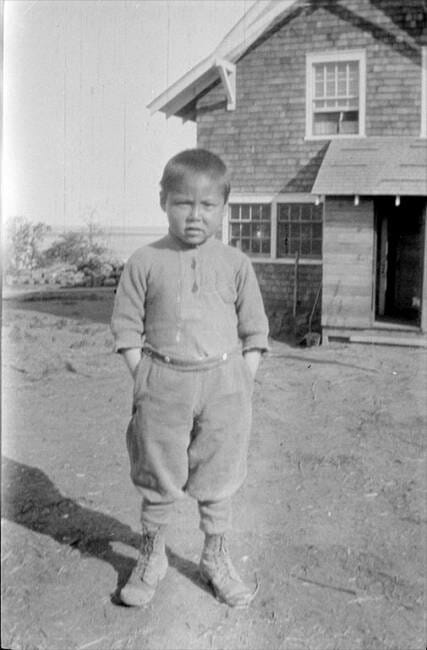
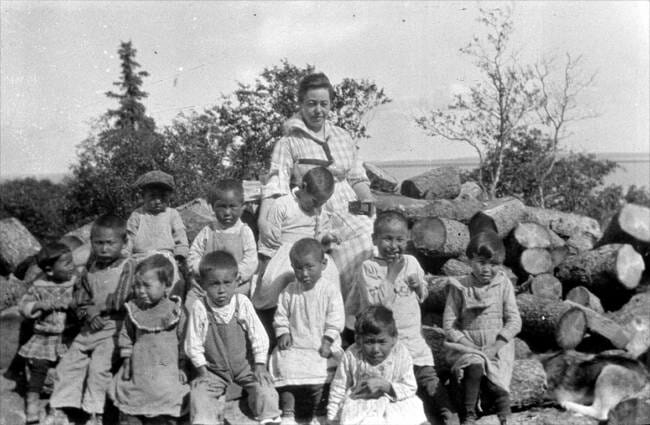
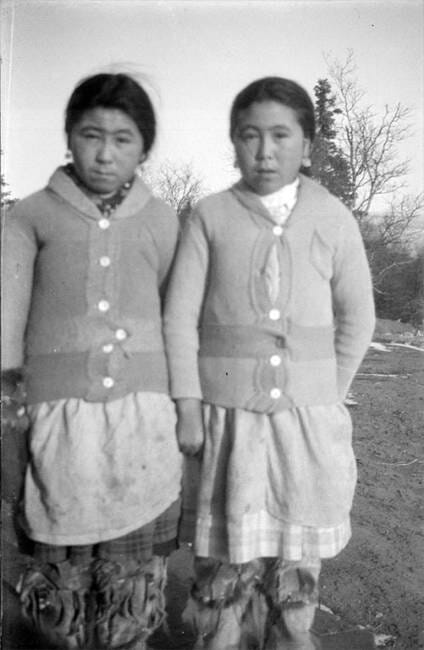
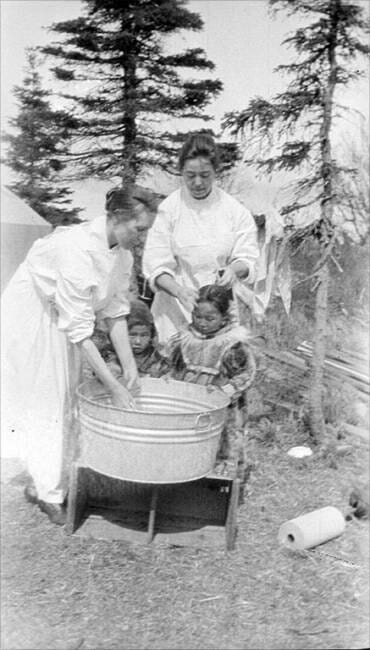
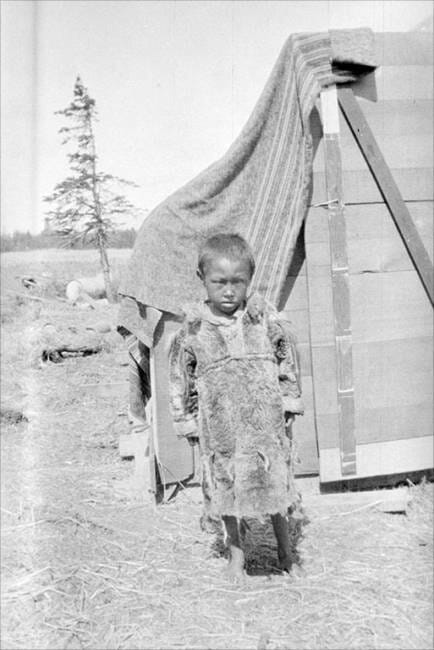
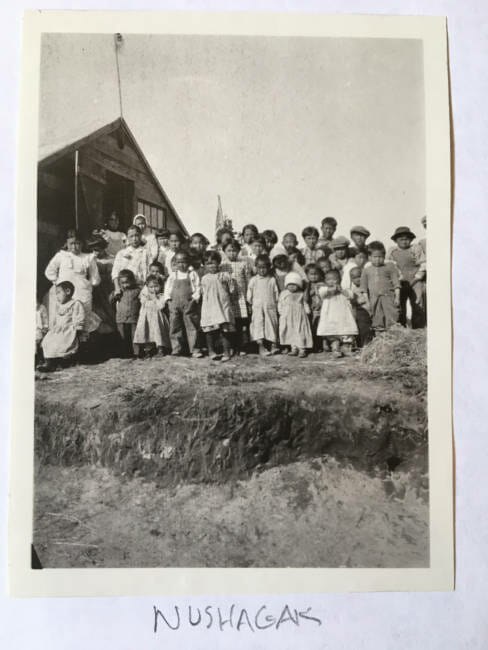
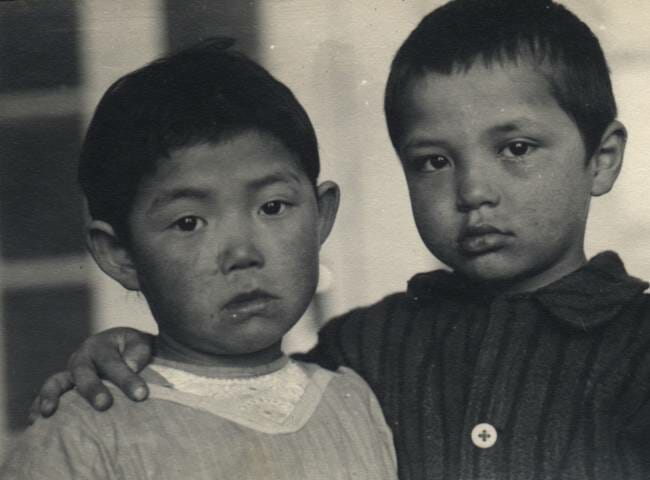
The year is 1919. The second wave of the Spanish Flu sweeps across Bristol Bay, leaving death and devastation in its wake.
On Friday’s Juneau Afternoon, the story of what happened in Bristol Bay – the lessons from the past that are driving today’s decisions for Alaska Natives in the battle against COVID-19.
In the first part of the program, we hear from two historians — Tim Troll who wrote Bristol Bay Remembers: The Great Flu of 1919 — and Katie Ringsmuth, who teaches history at the University of Alaska Anchorage. Ringsmuth recently accepted a position as the state historian.
Although many parts of Alaska were hit hard by the Spanish Flu, compared to other places, the history in Bristol Bay is well documented, because of the presence of large fish cannery operations. Troll and Ringsmuth talk about what the cannery records reveal and how an estimated 40 percent of the region’s population, mostly Alaska Native, did not survive the pandemic.
The historical trauma from this epidemic and others — from polio to tuberculosis — is still very much alive today for Alaska Natives.
In the next part of our program, we hear from two Tlingit writers, Joaqlin Estus and Vera Starbard. Estus is a longtime Alaska journalist and currently a national correspondent for Indian Country today. Starbard is a playwright and editor of the First Alaskans Magazine. She also has the Writing Raven blog.
Both women have worn a lot of hats over the years, including handling communications for Native health organizations. What a difference a hundred years makes. Estus and Starbard talk about how tribal organizations are part of the reason why Alaska currently has the highest COVID-19 vaccination rate in the county.
Rhonda McBride hosts Juneau Afternoon on Friday, Feb. 4, 2021, live at 3:00 p.m. on KTOO Juneau 104.3, online at KTOO.org, and repeated at 4:00 p.m. on KRNN 102.7.