A British Columbia mine that’s become a symbol of mineral extraction’s environmental threats will reopen next month.

Provincial officials have granted the Mount Polley Mine conditional approval to resume limited operations. Critics in Southeast Alaska say it sets a dangerous precedent.
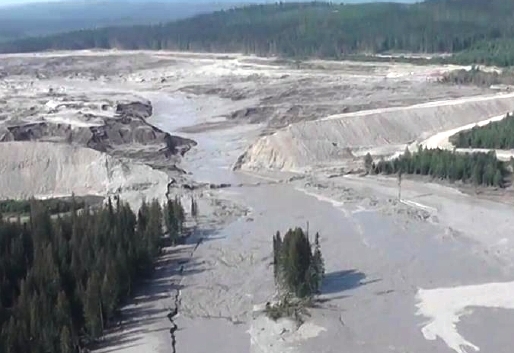
The central British Columbia project’s tailings dam broke about 10 months ago, dumping up to 6.5 billion gallons of water and silt into nearby lakes and rivers.
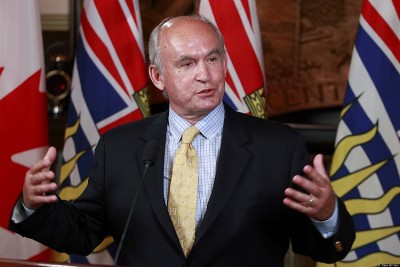
B.C. Mines Minister Bill Bennett says the new permit requires Mount Polley to put waste rock and water into a nearby pit.
“The existing tailings storage facility, the one that breached last August, cannot be used — will not be used — under the terms of this permit. It also means that there will be no water discharged off the mine site under the terms of this permit,” he says.
The mine will operate at half its earlier capacity to meet those standards. Even at reduced speed, Bennett says the old mining pit will fill up in about four or five months. Further permits will be needed to continue mining.
Mount Polley will have to gain additional government approval before releasing wastewater into the environment. Bennett says that would require additional, expensive water treatment equipment.
“They will get that permit only if the water they propose to discharge meets Canadian drinking water guidelines and also meets the standards for aquatic organisms,” he says.
He says state and federal environmental agencies will monitor the discharges.
“It’s also done more regularly by the company and it’s done by independent engineers and scientists that put their professional stamp on those samples,” he says.
B.C. will require a third permit before the mine can again store tailings behind a dam. Bennett says if allowed, it would hold far less water than it did when it broke.
The mine is owned by Vancouver-based Imperial Metals. Spokesman Steve Robertson did not immediately return a call for comment. The corporation has ignored similar calls during the past year.
Mount Polley is in the watershed of the Frasier River, which enters the ocean far from Alaska.
But critics in Southeast say the government’s approach to the decision threatens the region’s salmon, which spawn in other transboundary rivers.
Guy Archibald works for the Southeast Alaska Conservation Council.
“We can’t count on the B.C. environmental process to even follow their own recommendations to protect us from the mines that are proposed on the Stikine, Unuk and Taku rivers,” he says.
An independent report on the Mount Polley disaster predicted two similar British Columbia tailings dams would fail every decade.

Archibald says that could include Imperial’s Red Chris Mine, which opened this year near a Stikine River tributary, and others.
“Given that they’re planning to put 11 mines on the Alaska transboundary border, it’s not if one of these dams is going to fail, it’s only a manner of when,” he says.
SEACC, Salmon Beyond Borders and other Alaska mine critics have been pushing for federal intervention. A number of Southeast government and tribal leaders want the U.S. State Department to pursue their concerns.
“We’re continuing to push for international action, the formation of an international watershed under the International Joint Commission that’s spoken about in the [U.S.-Canada] Boundaries Water Treaty,” he says.
British Columbia and Alaska officials met earlier this year on transboundary mining. B.C.’s Bennett says they will meet again and could reach a memorandum of understanding regarding water and safety issues.
Alaska officials have already submitted a list of concerns to B.C. But they haven’t actively opposed mine development.