
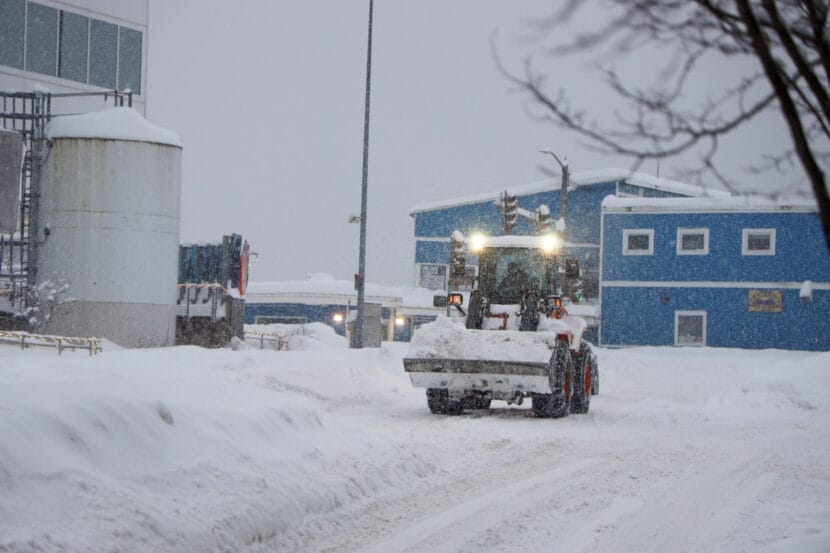
It’s hard to believe that just this past winter, most Juneau residents found themselves outside in the snow, shoveling day after day after day.
A so-called “snowpocalypse” took Juneau by storm — literally — causing the city and tribal governments to declare an emergency. This past winter, the capital city broke its all-time snowfall record.
But Juneau was eventually able to dig itself out, including clearing its streets. That’s because for the past four decades, Juneau residents have funded city snow removal services — in part — with money collected in a 3% temporary tax.
During this year’s municipal election, voters are being asked to decide whether to renew that temporary tax, which has been in place since 1983.
“When you go and purchase clothing or a gift or furniture in Juneau, you pay a 5% sales tax. Three of that gets renewed every five years by the voters, so this year it’s up, and so we’ll have an opportunity to renew that 3%,” said longtime Juneau Assembly member Christine Woll.
And while voting to renew a tax might seem like not a big deal, without it, Woll says Juneau’s city budget would be in deep trouble.
“Somewhere between a third and a quarter of our entire city budget would be reduced as a result of that,” Woll said.
The tax is technically considered temporary, but it has actually been in place for more than four decades. And it’s been approved handily by Juneau voters, at least the past three times it was up for renewal — in 2021, 2016 and 2011. However, residents voted against making it a permanent tax in 2016.
The money collected from the tax represents a significant portion of the city budget.
“About $34 million a year in revenue is made up by that 3%, so a pretty sizable chunk of our general operating budget for the city,” Woll said.
This revenue goes toward numerous bread-and-butter city services – things like roads, drainage, police, fire, and buses.
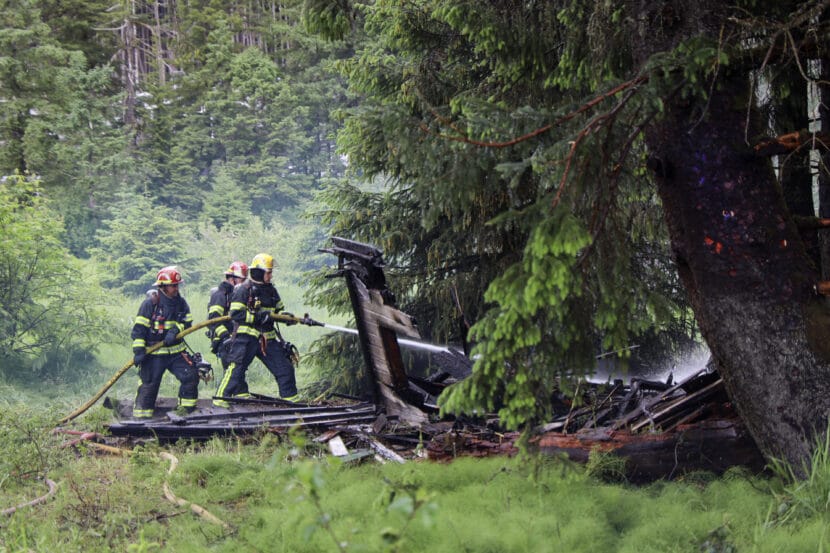
The city has historically split how to spend the money collected from taxes into three categories: 1% goes toward capital improvement projects, infrastructure like roads, sidewalks, retaining walls and drainage. Another 1% goes toward general government operations, services like police, fire, emergency services, parks and recreation, libraries, and buses. The final 1% goes toward other public services like community grants and contributions to the city’s budget reserve.
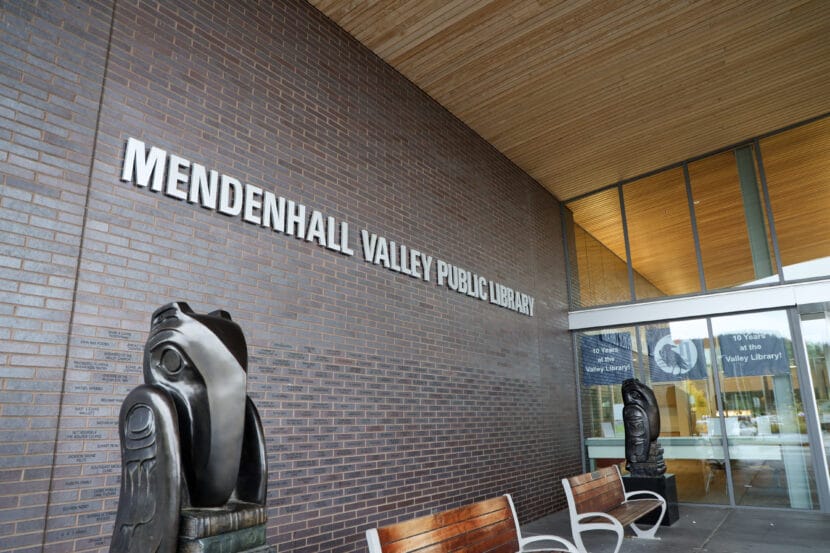
Without the funding, the Assembly would either need to reel in its spending by cutting services or defunding projects, or find new revenue from other taxes or boosting fees.
That would be on top of the already estimated $6 to 8 million budget deficit the city is currently facing for next year.
There haven’t been any outspoken political groups against renewing the tax this election. But there has been rising dissatisfaction in recent years from some residents over how and where the Assembly chooses to spend city dollars.
Among the candidates running for the Juneau Assembly, James McCants, David Morris and Brad Sapp said they’d be voting against it. Sapp said in an interview that he’d also be voting no on the other two measures on the ballot.
“It’s a philosophy of mine that I don’t generally vote to impose a tax upon myself or my neighbor,” he said.
Along with the three propositions on the ballot are three open Juneau Assembly seats and two open school board seats. The last day to vote in Juneau’s by-mail election is Tuesday, Oct. 6.
For more local election coverage, visit ktoo.org/elections
