
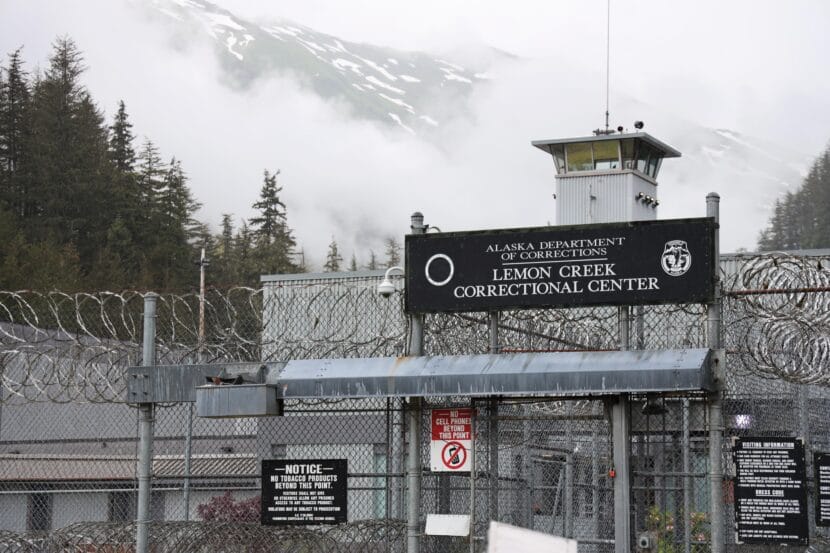
Many people incarcerated in Alaska can vote. Almost half, actually, are eligible, according to the American Civil Liberties Union of Alaska. And, for those who can, the deadline to apply for a by-mail ballot for the general election is fast approaching.
Meghan Barker, with ACLU Alaska, said there are a lot of misconceptions about whether or not people who are incarcerated or formerly incarcerated can vote, and she wants to provide clarity on a couple points.
The first, she said, is that the population of people in Alaska prisons who are pre-trial or haven’t been convicted of a “felony of moral turpitude” can vote.
“So we have quite a large population — thousands of people in our correctional system — who are eligible to vote,” she said.
Another misconception is that people who have been convicted of a felony can never vote again.
“That is simply not true,” Barker said. “If you have been convicted of a crime or a felony involving moral turpitude, you can regain your right to vote after you have been unconditionally discharged from (the) Department of Corrections.”
That means a person has been released, and is no longer on parole or any other form of monitoring.
So how does someone who is currently incarcerated vote?
Barker said they can request a by-mail ballot. If a family member who isn’t incarcerated can print off the by-mail application and send it to someone inside a DOC facility, that person can fill it out and mail it to the Division of Elections. Then, they can vote by mail from a correctional center.
The ACLU produced a guide with detailed instructions, links to the absentee ballot request form, and the address of the Division of Elections here.
The Division of Elections needs to receive that request for a by-mail ballot one month before Election Day. And by-mail ballots must be postmarked by Election Day — Nov. 3.
