
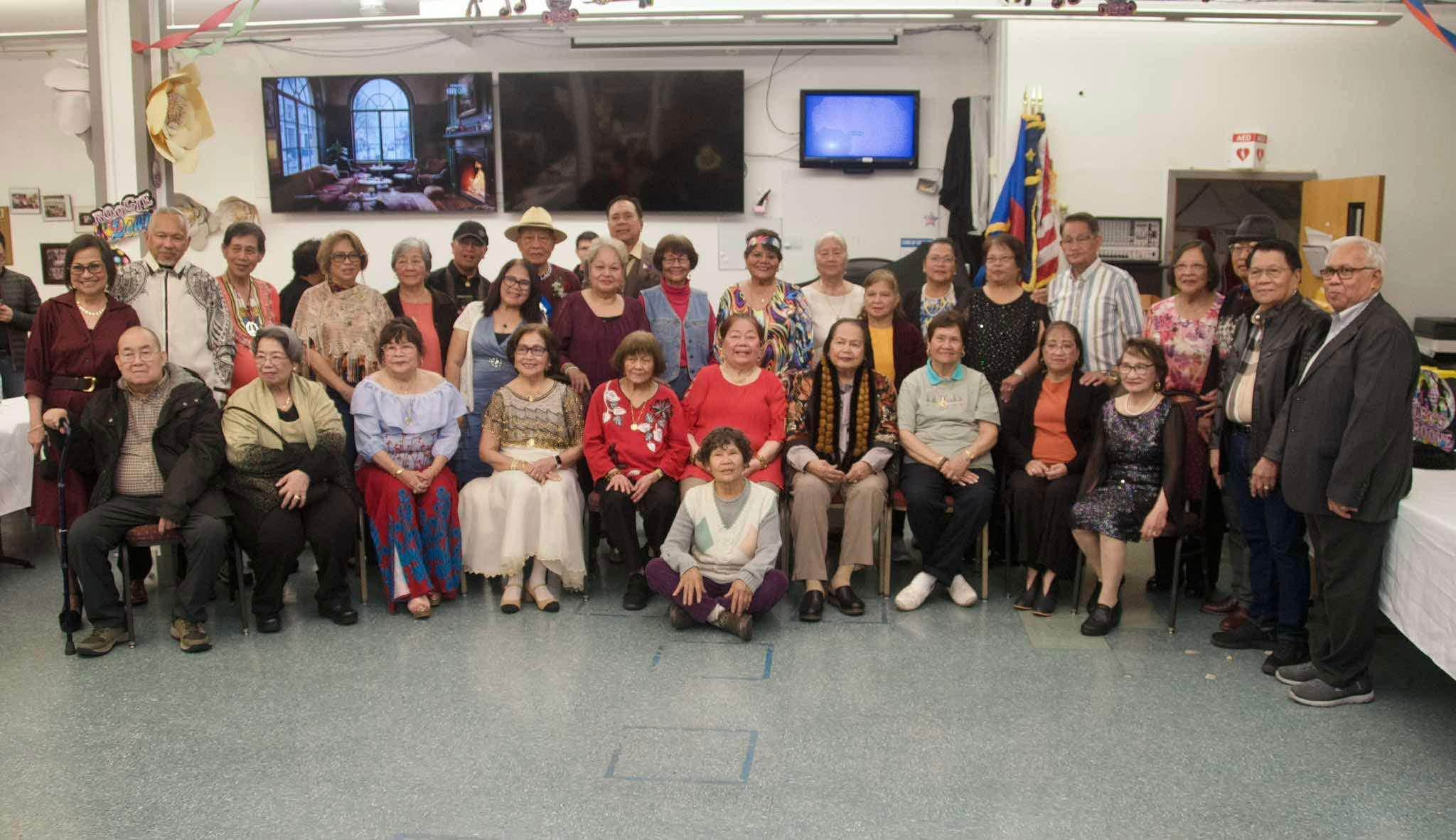
October is Filipino American History Month – a time to reflect on the history of Filipinos in Alaska and across the country.
It can also be very personal. KTOO’s Mike Lane visited with Kaye Roldan, head of the cultural committee for Filipino Community, Inc., about the month, her own family history and growing up in Juneau.
Listen:
The following transcript has been lightly edited for clarity.
Mike Lane: What are some parts of Filipino history that that you think many Alaskans may not know?
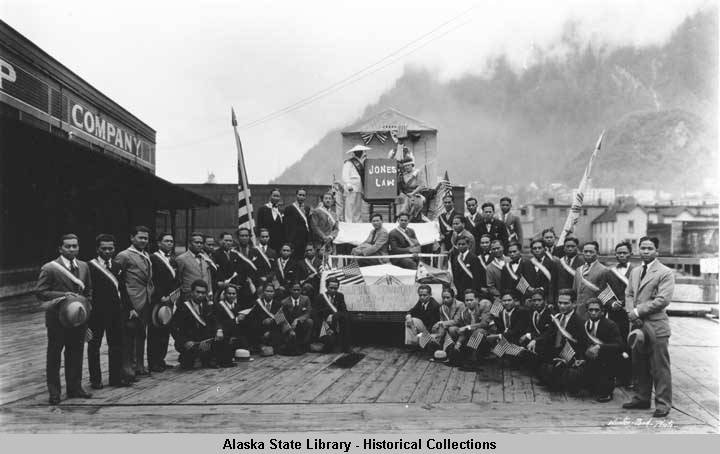
Kaye Roldan: I don’t think many Alaskans may know about the contributions not only to the fishing industry and the canneries – when I dove down the history of the Filipinos in Alaska, I found images of Filipinos working in canneries, working in the mines, and also the creating of the unions within the canneries, so establishing some of those like working hours. So, stuff like that that wasn’t really highlighted in our history textbooks.
Mike Lane: Can you tell me about your own personal/family history in Alaska?
Kaye Roldan: Yes. My family moved from the Philippines to New York originally. I believe it was around the 1980s, and then they drove across the nation to Alaska, where my dad got a job at the Alaska Marine Highway System. He’s one of the first Filipino captains of the Alaska Marine Highway. So, I’m really proud of him and how he’s worked so hard to get to that point. We’ve been living here since 1992 and [I] grew up coming to the Filipino Community Hall. So that’s how we got here.
Mike Lane: What was that like growing up going to the Filipino Community Hall?
Kaye Roldan: I feel like from my earliest memories, it was a place where I got to meet other families in Juneau that were Filipino, but also new families that came from the Philippines. It was a really great place for us to gather and have community, but also learn about culture, where I grew up doing traditional dance, and that was my first introduction to more history and culture.
Mike Lane: Tell me about the hall’s role in in feeling connected to Filipino heritage and culture.
Kaye Roldan: So the Filipino Community Hall – we have this vision to continue to uplift our traditions that we have back home, but also share our culture, whether that’s language classes or cultural dance or food or culinary. We hope to have food classes. So these are ways that we can continue to pass down traditions and keep that alive, and also have those cultural ties and identities for the younger kids. For myself, I grew up going and and I don’t know the language, but that’s something that I want to hopefully have connections to through the Filipino Community Hall, that we can offer so that kids who are looking to learn more have that opportunity.
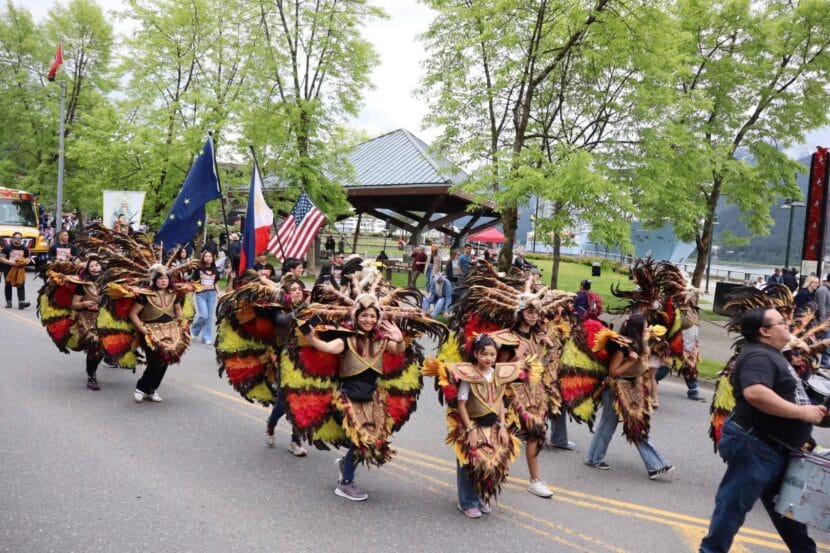
Mike Lane: What are other ways younger Filipino Americans can connect with their heritage.
Kaye Roldan: I have my younger niece who has participated in some cultural dance that we’ve started recently. So one thing that I’m hoping to start back up because I also danced at the Filipino Community Hall is to continue this cultural dance program. And that’s one way that I found out there’s different regions in the Philippines that have different ties to different cultural areas and traditions. We also have been offering Tagalog classes through the Filipino Community Hall. We have Chris Mariano who’s been teaching those classes, which is great, because I think that’s another great way to tie to the culture. And then we’re going to have a couple culture bearers come from the Philippines this month to teach a traditional T’boli cooking class. This is the first introduction to cooking classes under the Filipino Community Inc. but I hope that’s something that we can continue and share with the younger generation.
Mike Lane: What are some of the Filipino foods, music, celebrations, or traditions that you would encourage people to learn more about?
Kaye Roldan: If you’ve gone to a Filipino party, you’ve probably seen the traditional pancit, adobo, lumpia – lumpia is always a favorite. But I encourage exploring other foods outside of that, whether that’s desserts or different flavors. I’d say dances and food, and also I would always encourage learning the language too, because I think when you hear the language, it’s kind of heartwarming to hear that others are willing and wanting to learn as well.
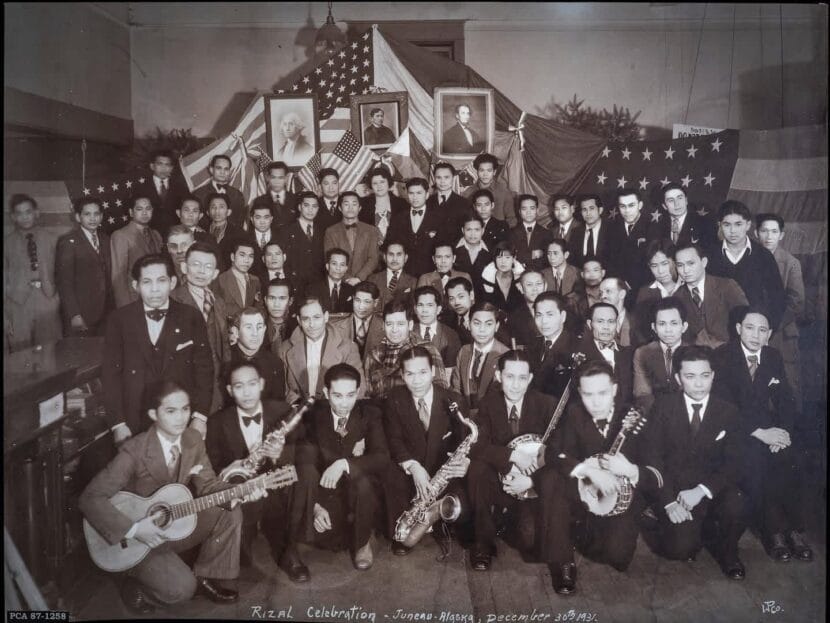
Mike Lane: What do you wish more people understood about Filipino American history?
Kaye Roldan: To look at the history not only within Alaska but also throughout the nation. I attended a Filipino American National History Society conference, and that’s where Filipinos from all over the nation came together, and I found out there was a history of Filipinos in Louisiana who contributed to the shrimping industry there. So looking at history, not just here in Alaska, but beyond, and I think you’ll find just a treasure trove of information to dive into.
To celebrate Filipino American History Month, there’s a lineup of events happening around town, like an award winning Filipino film at the Goldtown Theater, family rock climbing at the Rock Dump, cultural dance workshops, performances and culinary traditions at Roots & Rhythm. Learn more at filcom.juneau on Instagram and Filipino Community, Inc. on Facebook.

