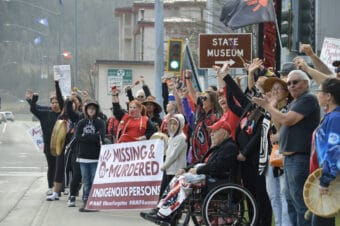
Indigenous people in Alaska are murdered and go missing at higher rates than almost anywhere in the country.
Vivian Korthuis, chief executive of Bethel-based Association of Village Council Presidents, said more than 300 Alaska Native people are on the missing and murdered registry.
“To me, that’s the same size as a village. A whole village. And it’s shocking to know that there’s that many people we’re missing,” she said. “Something needs to be done.”
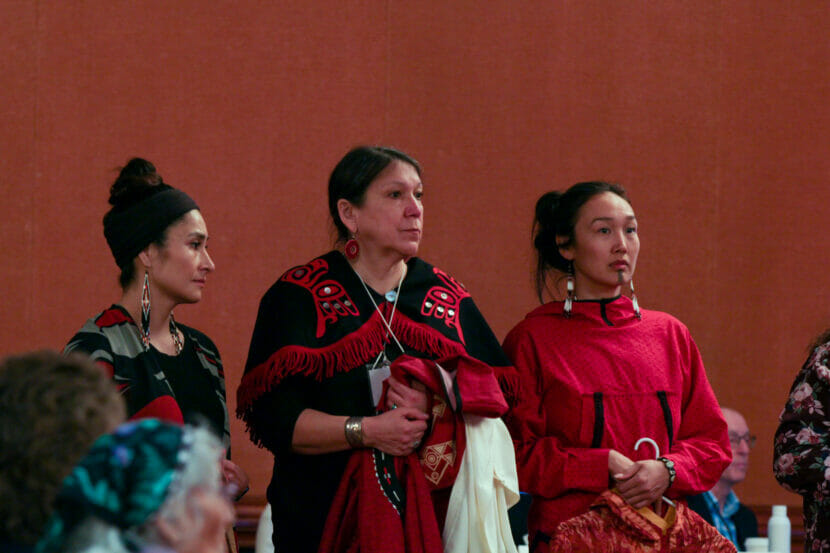
Korthuis is a member of a panel created by Congress to address the tragedy. The Not Invisible Act Commission met in Anchorage this week to hear testimony from victims and from advocates working to prevent violence.
They identified a range of problems, including a lack of services for vulnerable people and too little law enforcement in rural Alaska. Systemic racism and trauma were recurring themes.
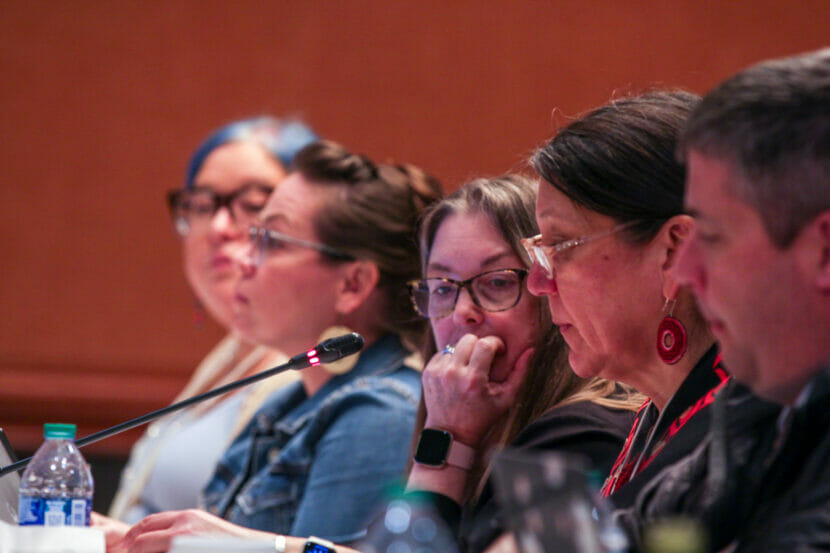
Several advocates told the commission that it’s hard to make federal programs work in rural Alaska, especially for small tribes. Dana Diehl, director of wellness and prevention at the Alaska Native Tribal Health Consortium, said federal grants aren’t easily tailored to community needs
“Oftentimes, the scope of our funding is very limited and narrow. But from an Alaska Native perspective, we see things more holistically, and you can’t separate things like mental health, physical health and spiritual health,” she said.
Alex Cleghorn, legal director at the Alaska Native Justice Center, said inconsistent funding makes it hard for villages to provide public safety.
“We have tribes in Alaska that are literally having bingo to be able to hire a tribal police officer,” he said.
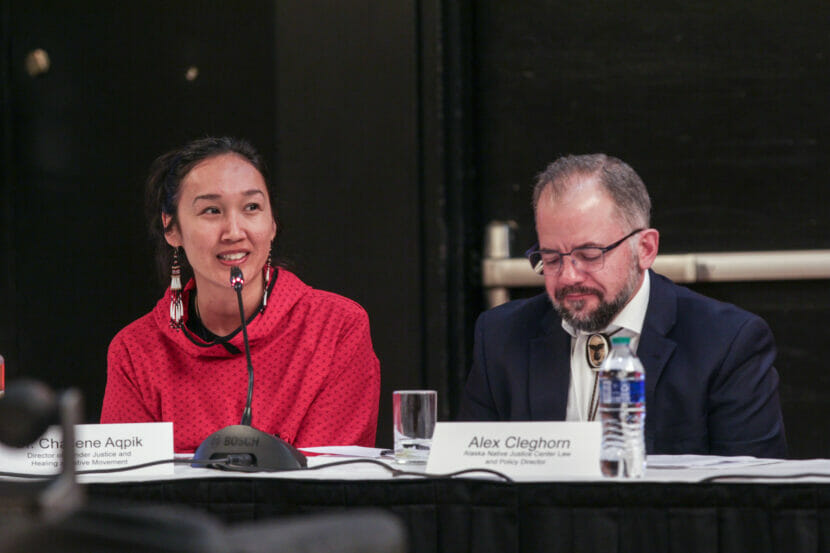
The commission invited family members of missing and murdered Indigenous people to testify during afternoon sessions that were closed to the media.
By October, the panel is supposed to produce recommendations on how the federal government can better prevent and respond to violence against Native American and Alaska Native people.
Korthuis, during a break in the proceedings, said her motivation to serve on the commission is to address the inequity in infrastructure and resources that leave rural Alaskans less safe than other Americans.
“That’s what this is all about – providing those basic protections that every person in the United States and every person (on the road system) in Alaska takes for granted,” she said.