
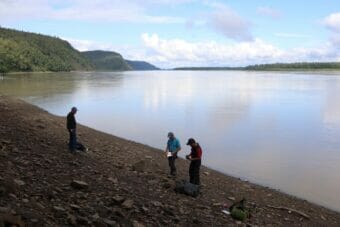
The most common footprints found were from plant-eating dinosaurs that made three-toed prints, but there were also some prints left by a four-toed, armored ankylosaur.
Science & Tech
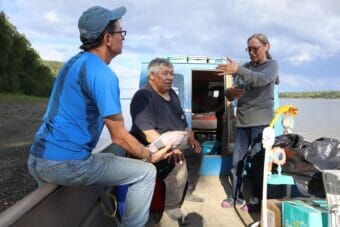
Local stories mean Yukon River ‘treasure trove’ is more than just a lot of dinosaur footprints
It has been more than a decade since researchers first announced that they’d found dinosaur footprints along the middle section of the Yukon River. And when that team did make their discovery public, they also said that it was unlikely that people who live along the river even knew dinosaur footprints littered the riverbanks near them. But…
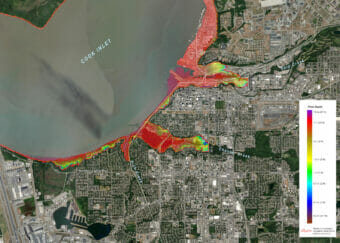
Most of Anchorage safe from tsunami, but new report notes threat from worst-case scenario
A tsunami could overrun parts of the coast in the Anchorage area if a large enough earthquake hit in the right place during a high tide in Cook Inlet.
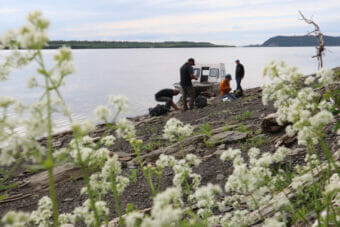
Scientists find a ‘dinosaur bonanza’ during Yukon River trip
In a single week, they’ve turned up at least two dozen footprints left by at least five different species
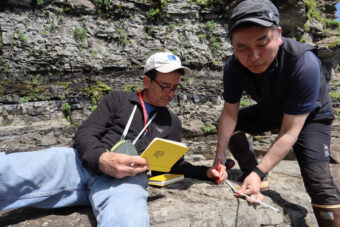
Scientists embark on a Yukon River expedition to track down a trove of dinosaur footprints
The rocky outcrops the team will target are up to 100 million years old.
Craig George, renowned Arctic wildlife biologist and whale expert, missing in rafting accident
Craig George, 70, spent decades studying bowhead whales and documenting their long-term increases.

Men are hunters, women are gatherers. That was the assumption. A new study upends it.
The implications are potentially enormous, says history professor Kimberly Hamlin: “The myth that man is the hunter and woman is the gatherer … naturalizes the inferiority of women.”
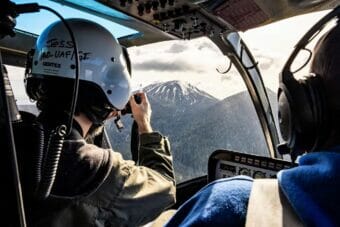
Scientists look for clues to Mt. Edgecumbe’s next eruption
While no eruption is imminent, scientists recently spent a few days collecting data on surface temperatures and gasses they hope will shed light on what’s brewing beneath the surface.

Revenge of the killer whales? Recent boat attacks might be driven by trauma
The marine mammals have been “attacking” sailboats since 2020. But those encounters are becoming more frequent, and some say the orcas’ tactics are evolving.
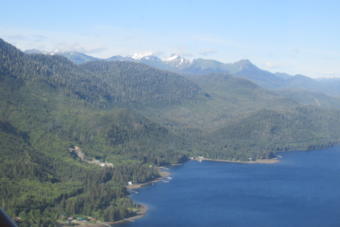
Researchers are searching underwater for more ancient evidence of Indigenous life near Prince of Wales Island
The discovery of an ancient fish trap last year placed Indigenous people near Prince of Wales Island around 11,000 years ago. New research may push that time back even further.